Table of Contents
ToggleWhen you spot a cockroach scurrying across your rental apartment‘s kitchen counter or notice rodent droppings in the basement, your first question is often: whose job is it to fix this? The answer depends on state laws, local regulations, lease agreements, and whether the pest problem stems from the property’s condition or tenant behavior. Understanding landlord and tenant pest control responsibilities protects both parties and ensures homes stay livable. This guide breaks down who’s responsible for pest control in rental properties, what the law requires, and what you can do if your landlord won’t act.
Key Takeaways
- Landlords are responsible for pest control when infestations result from property defects, structural issues, or poor maintenance under the implied warranty of habitability.
- Pest control liability varies significantly by state and local jurisdiction—California and New York impose strict landlord requirements, while Texas allows more lease negotiation.
- Tenants must maintain sanitary conditions and report pest problems promptly in writing; neglecting cleanliness can shift responsibility to the tenant in many jurisdictions.
- If a landlord fails to address pest control requests, tenants can document the issue, send written notice, contact housing authorities, or use repair-and-deduct options depending on state law.
- Professional pest treatment costs typically range from $300–$1,500 per treatment and should be covered by the landlord when the infestation stems from the building’s condition.
What Does the Law Say About Landlord Pest Control Responsibilities?
Most U.S. states require landlords to maintain their rental properties in habitable condition, and that includes controlling pest infestations. This obligation falls under the legal concept of “implied warranty of habitability,” which means a rental must be safe, sanitary, and free of hazardous conditions.
In general, landlords are responsible for treating pest problems that exist because of the building’s structure, age, or poor maintenance. If mice enter through gaps in baseboards, walls, or foundation cracks, that’s a structural defect, the landlord’s responsibility. If the roof leaks and attracts termites, the landlord must address it. These situations stem from the property itself, not tenant neglect.
But, laws vary significantly by location, and lease agreements can assign responsibilities differently, as long as they don’t violate local codes. Some states explicitly require landlords to pay for pest control: others leave more room for negotiation within the lease.
State and Local Variations in Pest Control Liability
California, New York, and Massachusetts have strict landlord pest control requirements. California law treats pest control as part of maintaining habitable premises, and landlords cannot charge tenants for extermination of infestations caused by the property’s condition. New York mandates that landlords provide pest control services for certain pests like cockroaches and bedbugs without passing costs to tenants.
Other states take a looser approach. Texas, for example, allows landlords and tenants to negotiate pest control responsibilities in the lease, though landlords still must maintain the property’s structural integrity. Florida requires landlords to ensure the property is free from “rodent infestation” but allows more flexibility with other pests.
The best approach: check your state’s residential tenancy laws or contact your local housing authority. Many states post their landlord-tenant codes online, and tenant rights organizations often provide free summaries. Don’t assume federal law covers everything, local ordinances often set stricter standards than state law.
Pest Control Obligations vs. Tenant Neglect
The line between landlord responsibility and tenant fault matters legally and practically. If a tenant leaves food out, doesn’t seal garbage, or ignores sanitation, they’ve created conditions that attract pests. That’s tenant neglect, and in many cases, tenants can be held responsible for pest control costs or even face lease violations.
Landlord responsibility kicks in when the property itself invites pests. Poor drainage leading to moisture (which attracts cockroaches and termites), gaps in exterior walls, broken door seals, or damaged window screens create pest highways. These defects exist regardless of how clean a tenant keeps their space.
The practical difference: imagine two identical apartments. In one, the tenant leaves dirty dishes out and food on counters, ants arrive. In the other, the tenant keeps everything spotless, but the building has foundation cracks and poor drainage, rodents move in anyway. The first situation typically falls on the tenant: the second is the landlord’s liability.
Most jurisdictions require landlords to provide habitable premises before tenants move in and maintain that standard throughout the tenancy. A tenant’s failure to maintain cleanliness doesn’t erase the landlord’s duty to fix structural problems that let pests in. But, tenants also can’t ignore infestations caused by their own behavior and expect the landlord to clean up without consequences.
When Landlords Must Pay for Professional Pest Treatment
In most states, landlords must pay for professional pest treatment when the infestation stems from the property’s condition or pre-existing problems. If you move into an apartment and discover a termite or bedbug infestation within the first few days, the problem likely existed before your tenancy, the landlord’s cost.
Similarly, if a pest problem emerges because the landlord failed to maintain the property, leaving gaps unfilled, allowing moisture to accumulate, or not sealing foundation cracks, the landlord covers professional extermination. This includes treatments for cockroaches, bedbugs, rodents, termites, and other common pests in rental properties.
Many landlords carry liability insurance that covers pest control, and some properties have standing contracts with pest control companies. Landlords often prefer to cover costs upfront rather than face tenant complaints, code violations, or legal disputes. Professional extermination typically costs $300–$1,500 per treatment depending on the pest and severity, and pest control strategies vary widely by region.
Once treatment is complete, the landlord’s obligation isn’t finished. Follow-up inspections and additional treatments may be required. If the landlord fails to arrange timely professional pest control, tenants can often withhold rent, hire their own exterminator and deduct costs, or file complaints with local housing authorities, depending on state law.
Tenant Responsibilities and Prevention Duties
Tenants aren’t off the hook. Even though landlords must provide pest-free premises, tenants have a duty to maintain sanitary conditions and prevent pest attraction. This means sealing food in containers, taking out trash regularly, not leaving pet food out overnight, and reporting pest sightings promptly to the landlord.
Most leases include clauses requiring tenants to keep the unit clean and report maintenance issues, including pest problems, within a specified time. Delaying a pest report can make you liable for spreading an infestation, especially with bed bugs or termites, which worsen quickly without treatment.
Tenants should also understand that neglect can void the landlord’s responsibility. If you ignore cleanliness and create a pest magnet, a court may side with the landlord in a dispute. But, this doesn’t mean the landlord can ignore structural problems. Both parties have separate obligations: the landlord maintains the building: the tenant maintains cleanliness.
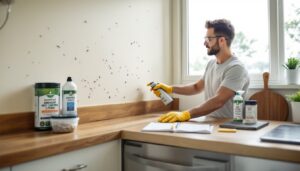
Documenting pest issues protects tenants. Photograph signs of infestation, save pest droppings or shells in sealed bags, and send written notice to your landlord (email or certified mail). This creates a record and proves you reported the problem. Essential pest control tools for documentation include a camera or smartphone, sticky traps to monitor pest activity, and a notebook. Don’t try to hide the problem or assume it’ll go away.
What To Do If Your Landlord Won’t Handle Pest Problems
If your landlord ignores pest control requests, you have options, but follow the right sequence to protect yourself legally.
First, document everything. Take photos, note dates of sightings, save any evidence, and keep copies of all communication with your landlord. Send written notice (email or certified letter) describing the pest problem, the date you first noticed it, and the impact on habitability. Give the landlord a reasonable timeline (usually 7–14 days) to respond.
Second, review your state’s tenant rights. Many states allow tenants to “repair and deduct”, you can hire a licensed pest control company and subtract the cost from rent. Others require you to file a complaint with the local housing authority first. Some states let tenants withhold rent in escrow until the problem is fixed. Do not self-help without understanding your state’s rules: wrongly deducting rent can give your landlord grounds for eviction.
Third, contact your local housing authority or tenant rights organization. They can investigate code violations and pressure the landlord to comply. Many violations come with fines, which motivate action faster than tenant complaints alone. An inspection also creates an official record if you end up in small claims court.
Fourth, know when to hire a lawyer. If the infestation causes health problems, property damage, or emotional distress, or if the landlord retaliates for reporting the issue (illegal in most states), consult a tenant rights attorney. Many offer free initial consultations. Understanding pest control for beginners helps you advocate for yourself, but persistent landlord neglect sometimes requires legal intervention.
Conclusion
Pest control responsibility in rentals typically falls on landlords when infestations stem from property defects, but tenants must maintain cleanliness and report problems promptly. State laws vary, so check your local regulations and lease agreement carefully. If your landlord won’t act, document everything, send written notice, contact your housing authority, and explore repair-and-deduct or rent withholding options if allowed in your state. Knowing your rights and obligations keeps rental properties livable and prevents disputes from escalating.