Table of Contents
ToggleDallas homeowners face a year-round battle against pests that thrive in Texas heat and humidity. From fire ants marching across lawns to roaches hiding in kitchen cabinets, the Dallas pest control challenge is real and persistent. Whether you’re a seasoned DIYer or facing your first infestation, knowing how to identify common pests, prevent them before they settle in, and recognize when professional help is needed can save thousands in property damage and countless sleepless nights. This guide walks you through practical strategies to protect your home in 2026, combining do-it-yourself prevention with expert solutions.
Key Takeaways
- Dallas’s warm, humid climate creates year-round breeding conditions for fire ants, cockroaches, termites, mosquitoes, and rodents—making consistent pest control essential for homeowners.
- Seal foundation cracks, gaps around pipes, and windows with 100% silicone caulk, and fix moisture sources like leaky faucets to eliminate the entry points and conditions pests need to thrive.
- Professional Dallas pest control services ($88–$216 per call) are justified for termite damage, rodent infestations, or recurring problems that DIY prevention cannot resolve.
- Natural solutions like food-grade diatomaceous earth, essential oils, and mosquito dunks offer eco-friendly prevention, but professional treatment is needed for established infestations.
- Quarterly inspections, maintained weatherstripping, trimmed vegetation, and sealed garbage containers create a long-term pest control strategy that prevents reinfestation better than one-time treatments.
Common Dallas Pests and Why They Thrive in Texas Heat
Dallas’s warm, humid climate is a pest paradise. The longer outdoor season and consistent temperatures mean insects breed year-round, not just in summer. Fire ants, German cockroaches, termites, mosquitoes, and rodents are the usual suspects in North Texas homes.
Fire ants are aggressive and build visible mounds in lawns and flower beds. A single colony contains thousands of workers, and they’ll sting repeatedly if threatened. German cockroaches love kitchens and bathrooms where moisture and food scraps accumulate: they hide in cracks during the day and forage at night. Subterranean termites work silently inside wood, and by the time you spot damage, they may have compromised structural joists or studs.
Mosquitoes breed in standing water, even a birdbath or clogged gutter provides enough habitat. Rodents seek shelter and food, especially in fall and winter when outdoor resources dwindle. Texas’s no-kill winters mean rat populations can explode if entry points aren’t sealed. Understanding your enemy’s habits is half the battle: the other half is making your home an unwelcoming place to nest, feed, and breed.
DIY Pest Prevention Strategies for Dallas Homeowners
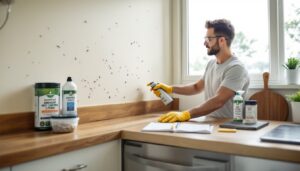
Prevention is cheaper and easier than fighting an established infestation. Start by removing pest attractants: keep food sealed in airtight containers, never leave pet food out overnight, and take out trash in sealed bins. Clean up yard debris, mulch, and leaf litter where insects hide. Trim vegetation away from the house and store firewood at least 20 feet away.
Water management matters. Fix leaky outdoor faucets, clean gutters quarterly, and ensure downspouts drain away from the foundation. Standing water breeds mosquitoes: even a saucer under a potted plant can become a breeding ground. Inside, run exhaust fans in bathrooms to reduce moisture that cockroaches and other pests crave.
Inspect your home’s exterior regularly. Look for cracks in foundation concrete, gaps around pipes and utility lines, and damaged weatherstripping on doors and windows. These entry points are highways for insects and rodents. Pest Control Strategies: Effective can help you develop a comprehensive approach beyond basic sealing.
Sealing Entry Points and Eliminating Moisture
Caulking and weatherstripping are your first line of defense. Use 100% silicone caulk (not paintable acrylic) on exterior gaps: it remains flexible and lasts longer. For gaps larger than 1/4 inch, stuff backer rod first, then caulk over it. Replace damaged door sweeps and weatherstripping with new material rated for your climate zone.
Check the foundation carefully. Small cracks can be sealed with concrete caulk, but wide cracks (more than 1/8 inch) or structural damage warrant a professional inspection. Rodents can squeeze through openings as small as a dime: be thorough.
Inside, seal gaps where pipes and wires enter the house. Use steel wool and caulk to plug holes, pests can’t chew through steel wool. Ensure basement and crawlspace vents have intact screening, and that bathroom and kitchen exhaust ducts exhaust outside, not into attic spaces. Moisture control is equally critical: fix plumbing leaks immediately, insulate cold-water pipes to prevent condensation, and keep humidity below 50% with dehumidifiers in damp areas. These measures also protect your home from mold and wood rot.
When to Call Professional Pest Control Services
Some pest problems are beyond DIY scope. If you’ve tried prevention and baiting but still see roaches, or if you suspect termites, call a licensed professional. Termite damage can be catastrophic, they can destroy load-bearing joists invisibly over years. A professional termite inspection typically costs $75–$150 but can reveal problems that cost thousands to repair if left unchecked.
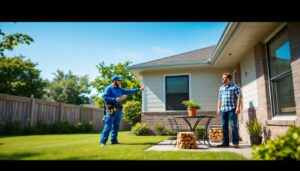
Rodent infestations in walls or attics, large fire ant colonies, or recurring mosquito problems also justify professional help. Licensed pest control technicians can access products and techniques homeowners cannot legally purchase, and they understand local regulations and building codes. Many offer service agreements with follow-up visits and guarantees.
Cost varies by region and pest type. According to pest control service pricing, Dallas homeowners typically pay $88 to $216 per service call, with ongoing monthly or quarterly plans ranging higher. Get multiple quotes and ask about their inspection process, products used, and warranty. A professional should explain treatment options and timelines clearly, not just spray and leave. How to Pest Control: outlines when DIY ends and professional treatment begins.
Natural and Eco-Friendly Pest Solutions for Your Home
If you prefer avoiding harsh chemicals, several natural methods work well for mild infestations. Diatomaceous earth (food-grade only) is a powder made from fossilized diatoms: it dehydrates insects on contact but poses no toxicity to humans or pets at food-grade strength. Dust it around baseboards and problem areas, reapply after rain or vacuuming, and wear a dust mask during application.
Essential oils like peppermint, clove, and eucalyptus repel some insects. Mix 15–20 drops with water in a spray bottle and apply around entry points and baseboards. These oils aren’t insecticides, they won’t kill established infestations, but they’re good preventative additions to other strategies.
Boric acid powder is a low-toxicity option for cockroaches if applied carefully away from children and pets. It’s slower than synthetic pesticides but effective over time. Neem oil spray, derived from the neem tree, disrupts insect feeding and reproduction: it works on soft-bodied insects like aphids and spider mites outdoors.
For mosquitoes, eliminate standing water first, then consider mosquito dunks (bacteria-based pellets) in small water sources like rain barrels. Outdoor fans disrupt mosquito flight patterns. Pest Control Trends 2026: increasingly emphasizes green solutions and integrated pest management (IPM) that combines prevention, monitoring, and targeted treatment over blanket spraying.
Maintaining Long-Term Pest Control Results
One-time treatment isn’t the answer. Pests return if conditions remain inviting. Schedule quarterly inspections of your foundation, roof, and crawlspace. Check for new gaps, moisture, or signs of activity. Keep a log of pest sightings, date, location, and type, so you can spot patterns and address root causes.
Maintain your exterior barriers. Caulking degrades over time: inspect it annually and touch up as needed. Replace weatherstripping every 2–3 years or when it becomes worn. Trim trees and shrubs back from the roof and walls: branches touching the house create bridges for ants, squirrels, and other climbers.
Don’t let yard work slide. Mow regularly, remove fallen branches, and don’t pile mulch against the house foundation, keep it at least 6 inches away. Store garbage in sealed containers and take them out the night before pickup, not days before. Best Pest Control: A emphasizes that consistent vigilance and environmental management beat reactive spraying every time.
If you use a professional service, stick with scheduled treatments. Most pest control agreements include monthly or quarterly visits during peak seasons: these aren’t optional. Skipping treatments allows pest populations to rebound. Communication matters too: tell your service provider about new sightings or concerns so they can adjust their approach.
Conclusion
Dallas pest control requires a year-round commitment to prevention, vigilance, and smart decision-making about when to go DIY versus calling professionals. Seal entry points, eliminate moisture, remove attractants, and inspect regularly. Start with natural prevention methods: escalate to professional help only when needed. The goal isn’t a pest-free home, that’s unrealistic, but a well-protected one where you control the outcome, not the pests.