Table of Contents
TogglePest infestations don’t announce themselves, one day you’re fine, the next you’ve got ants marching across your kitchen counter or hearing scratching in the walls. If you’re considering hiring professional pest control, TruGreen is likely on your radar. The company dominates the lawn care and landscape space, and its pest control arm serves hundreds of thousands of homeowners nationwide. But is it the right choice for your property? This guide walks through what TruGreen offers, how it stacks up against competitors, and whether the investment makes sense for your situation.
Key Takeaways
- TruGreen pest control operates through Terminix and serves hundreds of thousands of homeowners with treatments for common interior pests like ants and cockroaches, plus exterior services for mosquitoes and ticks.
- Annual pricing typically ranges from $400–$800 for basic pest control, with introductory discounts of up to 50% that often jump 20–40% at renewal, so comparing quotes against competitors is essential.
- TruGreen pest control excels at reliability and warranty coverage with retreatment guarantees, making it a solid middle-ground option for standard residential infestations rather than specialized or severe pest problems.
- Rotating technicians and heavy reliance on chemical applications may limit appeal for homeowners seeking personalized service, organic solutions, or integrated pest management approaches.
- Local specialists and hybrid DIY approaches can offer cost savings and better regional expertise, so evaluate your specific pest pressure and budget before committing to a TruGreen contract.
What TruGreen Pest Control Offers
TruGreen operates primarily through its owned brands, including Terminix, which handles most pest control work. The service portfolio includes treatment for common interior pests like ants, cockroaches, spiders, and rodents, plus exterior services targeting mosquitoes, ticks, and lawn-damaging insects.
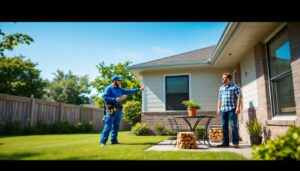
Typical visits involve a trained technician inspecting your property, identifying entry points and pest activity, and applying treatments, usually a combination of liquid applications, baits, and traps. Many plans include quarterly service calls, though frequency depends on your specific agreement.
One advantage: TruGreen’s national presence means consistent service standards and support infrastructure. If you move or need service adjusted mid-year, the company can handle transfers across their network. The technicians tend to be knowledgeable about regional pest populations and seasonal patterns, which matters when dealing with area-specific issues like carpenter ants in the Northeast or German cockroaches in dense urban areas.
But, TruGreen doesn’t position itself as a premium-tier exterminator. It’s a volume-based operation focused on standard residential needs, not specialized or challenging infestations that might require a dedicated local expert with deep area knowledge.
Service Plans and Pricing Options
TruGreen typically offers tiered plans: a basic package covering common interior pests, mid-tier options that add exterior treatments, and premium plans bundling pest, lawn, and tree services. Pricing varies dramatically by region and your home’s square footage and pest pressure.
Expect to pay $400–$800 annually for basic pest control across most markets, though urban areas and homes with active infestations cost more. Many plans include quarterly visits as standard, with options to add emergency or seasonal treatments for extra fees.
The company often runs introductory rates for new customers, sometimes 50% off the first service, which can make entry attractive. But, renewal pricing typically jumps after year one, so don’t assume the discount applies long-term.
TruGreen also bundles: if you already use them for lawn care, adding pest control may cost less than signing up separately. Conversely, if you only need pest work, you might find better value with a specialist.
Before committing, get a detailed estimate showing:
- Exact chemicals and treatment methods they’ll use
- Service frequency and response time for follow-ups
- Cancellation terms and refund policy
- Warranty terms (most promise retreatment if pests return between scheduled visits)
ImproveNet and HomeAdvisor both offer free cost estimates and let you compare multiple pest control quotes, which can help you benchmark TruGreen’s pricing against local and regional competitors.
How TruGreen Pest Control Compares to Alternatives
The pest control market includes national chains (Terminix, Orkin, Aptive), regional specialists, and local independent operators. Each has trade-offs.
National chains like TruGreen/Terminix, Orkin, and Aptive offer consistent pricing, strong warranties, and broad availability. Their downside: higher overhead, so costs run steep, and technicians may feel rushed on calls. TruGreen’s Angi ratings show solid customer satisfaction, though some reviews cite inconsistent follow-ups or pushback on warranty claims.
Local specialists often know your region’s pest patterns better and may charge less. They can’t match national marketing or software convenience, but they’re nimble. If a treatment fails, you might get faster response from a small, reputation-driven outfit.
DIY + hybrid options fall between: buy bait stations, sticky traps, and over-the-counter sprays yourself ($100–$300 annually), then hire a pro only if DIY doesn’t work. This approach suits homeowners who don’t want a long-term contract but need occasional expert help.
For most homeowners, TruGreen works well as a reliable middle ground, better staffed and trained than going fully DIY, cheaper and more flexible than premium local companies, more accessible than boutique specialists. Where it falters is on differentiation: if you have a tricky infestation or unusual pest, a specialist might solve it faster.
Understanding pest control strategies and current pest control trends in 2026 can help you decide if a broad-service company like TruGreen fits your needs, or whether you’d benefit from a more specialized approach.
Pros and Cons of Choosing TruGreen
Key Advantages
Scale and reliability. TruGreen has the infrastructure to show up on schedule, handle urgent callbacks, and deliver consistent training to technicians. You’re not betting on a solo operator’s mood or whether they’re booked solid.
Warranty coverage. Most TruGreen plans include retreatment warranties, if pests return between scheduled visits, they return at no charge. That safety net matters, especially on your first try with a new company.
Transparency and documentation. Technicians document what they treated, what chemicals they used, and where they placed baits or traps. This paper trail helps if you have questions or concerns about pet/child safety.
Bundling convenience. If you already pay TruGreen for lawn care, adding pest control simplifies billing and coordination. Your technician knows your property and seasonal patterns.
Flexible service. You can upgrade, downgrade, or pause service (often with advance notice), and you’re not locked into multi-year contracts with most plans.
Potential Drawbacks
Premium pricing for standard service. TruGreen’s overhead translates to higher costs than independent operators offering identical treatment. You’re paying for the brand and network, not necessarily superior results.
Rotating technicians. Unless you build rapport with your assigned technician, you might see different faces each visit. This hampers continuity, the new tech doesn’t know your home’s quirks or previous treatment history as well.
Long-term cost creep. Introductory rates often disappear after year one, jumping 20–40% on renewal. If you lock in at a teaser price, expect sticker shock.
Limited scope for difficult pests. If you have a severe termite infestation or bed bug problem, TruGreen’s standard approach might not cut it. You’d need to upgrade or call a specialist anyway.
Chemical reliance. TruGreen relies heavily on pesticide applications. If you prefer organic, low-chemical, or integrated pest management (IPM) approaches, pest control techniques from boutique IPM companies may align better with your values.
Customer service inconsistency. Reviews note uneven follow-through on warranty claims and occasional scheduling or communication glitches, likely due to the company’s size.
Conclusion
TruGreen pest control works best for homeowners who want reliable, no-fuss service from a stable company without very costly on premium specialists. If you’re dealing with common ants, spiders, or seasonal rodents, their model delivers solid results.
But if cost is your primary concern, or your infestation is unusual or severe, get quotes from local specialists and DIY options first. The choice depends on your pest pressure, budget, and tolerance for hands-on involvement. Many homeowners successfully pair basic TruGreen coverage with targeted DIY tactics for best results at lower cost.