Table of Contents
TogglePest control costs vary wildly depending on the pest, your home’s size, and whether you hire a pro or go the DIY route. A single inspection and treatment might run $150 to $300, while a comprehensive monthly service can cost $300 to $1,000 annually. Before you panic about budget or skip treatment altogether, understand what drives these prices. Knowing the difference between a basic inspection and a full extermination plan, and what factors inflate the bill, helps you make a smart financial decision. This guide breaks down real 2026 pricing so you can compare options without guessing.
Key Takeaways
- Pest control costs range from $150–$600 for single treatments and $300–$1,000 annually for monthly service plans, depending on pest type and home size.
- Home square footage, infestation severity, and location are the biggest cost drivers; larger homes and severe infestations can increase pest control bills by 30–50%.
- DIY pest control solutions cost under $150 for minor issues like ants and spiders, but professional treatment is essential for termites, bed bugs, and rodent nests to prevent costly structural damage.
- Monthly or quarterly pest control plans offer better value and peace of mind than one-time treatments, especially since most plans include free retreatment warranties.
- Get multiple written quotes (prices vary 20–40% between companies), ask about seasonal discounts, and combine services to save $50–$150 on professional pest control.
- Prevention through sealing cracks, fixing moisture problems, and trimming vegetation reduces pest control costs and is always more economical than crisis management.
Average Pest Control Service Costs By Type
Residential Inspection And Treatment Pricing
A standard pest inspection runs $75 to $200, depending on your home’s square footage and complexity. The inspector checks crawl spaces, basements, attics, and exterior perimeters, places pests hide. This appointment typically takes 30 to 60 minutes and identifies entry points and risk areas.
Once pests are found, treatment costs spike. A single-service treatment for common household pests (ants, roaches, spiders) averages $150 to $500. Termites cost more: $500 to $1,500 for an initial treatment, sometimes much higher if structural damage is present. Pest control for beginners doesn’t have to feel overwhelming, but getting a clear breakdown before work starts prevents sticker shock.
Bed bugs demand specialized heat treatments or chemical fumigation, expect $800 to $2,500 for a full infestation. Rodent removal runs $200 to $600 for trapping and exclusion (sealing entry points). Wildlife removal, raccoons, opossums, squirrels, can cost $300 to $1,200 depending on the animal and removal method.
According to national data, the average homeowner spends. Regional pricing shifts: urban areas and coastal zones often cost 20-30% more than rural regions due to labor rates and pest pressure.
Factors That Impact Your Pest Control Bill
Home size matters most. A 1,500 sq. ft. cottage costs less to treat than a 4,000 sq. ft. estate. Larger homes need more product, more labor time, and more thorough inspection, add 30-50% to baseline costs for every 1,000 sq. ft. over the standard 2,000 sq. ft. baseline.
Infestation severity drives the biggest price jumps. A handful of ants in the kitchen? Budget $150-$250. A colony living in your walls? That’s $400-$800 and might require follow-up treatments. Severe infestations sometimes need fumigation, you’ll vacate the home for 24-72 hours while professionals tent and gas the structure. Fumigation costs $1,200 to $3,500+ and is mostly for termites or widespread bed bugs.
Location and local pest pressure matter too. Coastal properties and warm climates face year-round pest activity: northern regions see seasonal spikes. A humid basement prone to moisture problems attracts termites and roaches, treatment becomes preventive and ongoing. Essential Pest Control Tools between professional visits.
Access difficulty increases costs. A home on a steep hillside, surrounded by dense vegetation, or with a cramped crawl space makes inspection and treatment slower. Contractors charge premium rates when working in tight or hazardous spaces. Conversely, easy-access properties drop the bill by 10-20%.
Treatment method chosen also shifts pricing. Standard liquid sprays cost less than baits, traps, or dusts. Eco-friendly or organic treatments carry a 15-25% premium. If your home is near a food service area or you have young children, you might require low-toxicity products, factor that into your quote.
Budget-Friendly DIY Pest Control Alternatives
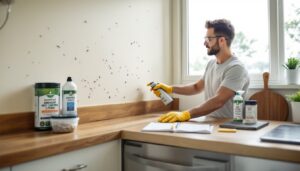
DIY pest control keeps costs under $50 to $150 upfront if you’re handling minor issues. Basic tools and products, caulk, weatherstripping, snap traps, boric acid, diatomaceous earth, and standard surface sprays, tackle ants, spiders, and occasional roaches.
Start with exclusion: seal cracks and gaps with silicone caulk (around $5-$10 per tube). Install door sweeps and weatherstripping on exterior doors ($15-$30 total). Fix torn screens and check basement windows. Roughly 80% of pest problems start with entry points, not infestations inside yet.
For active pests, sticky traps and baits cost pennies compared to service calls. Roach baits run $8-$15 for a multi-pack: snap traps for rodents cost $1-$3 each. Diatomaceous earth (food-grade, not pool-grade) works on crawling insects and costs $10-$20 for several pounds. Boric acid powder targets roaches and ants for under $5.
Pest Control Strategies: Effective and forums. Many people successfully prevent and manage light pest issues solo. But, and this is critical, if you find termites, bed bugs, or a rodent nest, stop. Those require professional treatment and often permits or inspections from local authorities. Skimping on professional help for structural pests can cost thousands in home damage.
One-Time Treatment Versus Monthly Service Plans
A single pest control visit costs $150 to $600 depending on what you’re treating. Good for one-off problems (found a wasp nest, saw a roach) or minor follow-ups. Most one-time treatments don’t include a guarantee: if pests return in 30 days, you pay again.
Monthly or quarterly service plans run $80 to $150 per visit (or about $300 to $600 per year on a monthly schedule). Typically, quarterly plans cost $250 to $400 per quarter. Plans include regular inspections, preventive treatments, and often a warranty. If pests show up between visits, the company returns at no charge. That peace of mind and continuity make plans popular for homeowners dealing with seasonal pressure or recurring issues.
Semi-annual plans (spring and fall) cost $200 to $400 total and suit homes in cold climates where pest activity drops in winter. Bob Vila’s expert guides on seasonal pest prevention often recommend a seasonal approach rather than year-round service, especially if your home has no active problems.
Calculate your own ROI: if you treat once for $400 and pests return twice a year, you’re paying $800 annually with no guarantee. A $500 annual plan guarantees year-round coverage and prevention. For most homeowners, plans save money and stress.
How To Save Money On Professional Pest Control
Get multiple quotes. Pest control pricing varies 20-40% between companies for identical services. Request written estimates that list the treatment method, square footage covered, and warranty terms. Never pick the cheapest option blindly, a bargain often means fewer follow-up visits or less thorough work.
Time your treatment wisely. Spring and fall are peak seasons: contractors charge peak rates. Off-season (winter in cold climates, summer in mild ones) sometimes offers 10-15% discounts. Ask about seasonal promotions or package deals.
Combine services. Many pest control companies offer bundled treatments, termite inspection plus general pest control, for example, at a small discount. Bundling saves $50-$150 compared to booking separate appointments.
Start with prevention. Seal cracks, fix moisture problems, remove standing water, and trim vegetation away from siding. Homes with fewer entry points and less habitat for pests cost less to treat and maintain. Best Pest Control strategies emphasize prevention over reaction.
Negotiate warranty terms. Ask if the company will retreat for free if pests return within 30 or 60 days. Some companies include this: others charge $50-$100 for a warranty retreat. Negotiate it into your initial estimate.
Use HomeAdvisor’s cost calculators and contractor matching to compare regional averages and find vetted, reviewed contractors. Check their licensing and insurance, a cheap service that’s unlicensed or uninsured could leave you liable if someone’s injured or damage occurs.
Ask about product choices. Lower-cost treatments might use stronger chemicals: eco-friendly treatments cost more but are safer around pets and children. Clarify what you’re paying for upfront.
Conclusion
Pest control costs range from under $100 for basic DIY supplies to several thousand for serious infestations. Know your pest, measure your home, get written quotes, and decide between one-time treatment and ongoing plans based on your situation. Prevention always costs less than crisis management. Pest Control Tips: How to keep your home bug-free year-round and professional guidance help you allocate your budget wisely. Act early, compare options, and don’t skip professional help when the problem exceeds your skill level or confidence.