Table of Contents
TogglePest control isn’t a luxury, it’s a necessity for most homeowners. Whether you’re dealing with a single cockroach sighting or a full-blown rodent invasion, the question that usually pops up first is: “How much is this going to cost?” Pest control pricing varies wildly depending on what you’re treating, where you live, and how often you need service. In 2026, homeowners can expect to spend anywhere from $100 to $500+ for initial treatments, with ongoing monthly plans running $30 to $50 on the low end and $100 to $300+ for premium services. Understanding the breakdown helps you budget smarter and avoid overpaying for services you don’t need.
Key Takeaways
- Pest control costs range from $100 to $500+ for initial treatments, with monthly plans typically running $30 to $50 for basic coverage or $100 to $300+ for premium services.
- Termites are the most expensive pest problem, costing $300 to $900+ annually, while general insect treatments remain the most affordable at $100 to $300 per service.
- Monthly service plans offer better long-term value than one-time treatments when pest problems recur, often including free retreatments within the service window.
- Geographic location, home size, infestation severity, and contractor certification significantly impact pest control pricing, with eco-friendly treatments adding 10% to 20% to your bill.
- Seal cracks, remove food sources, and get multiple quotes before hiring a contractor to reduce costs by up to 20% without sacrificing effectiveness or professional quality.
- Early treatment is crucial—acting quickly on pest problems costs far less than waiting for an infestation to grow and spread throughout your home.
Average Pest Control Costs by Service Type
Pest control pricing depends heavily on what pest you’re fighting. Rodent control, trapping and sealing entry points, typically runs $150 to $300 for initial service, plus $50 to $150 monthly if you need ongoing monitoring. Termites are the priciest problem: annual inspections and treatment plans can range from $300 to $900+ depending on infestation size and location. General insect treatments (ants, spiders, cockroaches) are usually the most affordable at $100 to $300 for a single service.
According to pest control cost data, the national average sits around $171 for a single service call, though your actual costs depend on local market rates and the contractor’s reputation. Wildlife removal, which includes raccoons, squirrels, and opossum, often runs $200 to $500+ because it typically involves humane trapping and exclusion work, not just chemical treatment.
Specialized treatments like termite fumigation or bed bug heat treatments are premium services. Fumigation can cost $1,000 to $3,000+ for an entire home, while bed bug heat treatments range $1,500 to $5,000+ depending on square footage. These aren’t routine costs: they’re typically one-time expenses for serious infestations.
Factors That Influence Your Pest Control Price
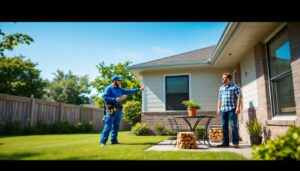
Several variables push your bill up or down. Geographic location matters significantly, urban areas with higher labor costs typically charge more than rural regions. Season also plays a role: spring pest activity kicks up prices because demand spikes. Contractor experience and certification affects pricing too. A state-licensed professional with EPA certification costs more than an unlicensed operator, but you’re paying for reliability and compliance.
The type of pesticides used changes your total. Conventional chemical treatments are cheaper than eco-friendly or organic options. If you have pets or young children, you might request pet-safe formulations, which can add 10% to 20% to your bill. Access to affected areas matters, treating an attic is harder (and costlier) than treating a foundation perimeter.
Home Size and Infestation Severity
Your home’s square footage directly correlates with cost. Most contractors charge per 1,000 square feet or offer flat rates based on typical residential sizes. A 1,000 sq ft apartment might cost $100 to $150 for routine treatment, while a 5,000 sq ft house could run $300 to $500+.
Infestation severity is the real cost driver. A few ants in the kitchen is a $100 problem. A full colony with satellite nests across multiple rooms becomes a $300–$500 treatment. Discovering active termite damage or a large rodent population means multiple visits and potential structural inspection costs. Always be upfront with contractors about what you’ve actually seen, not disclosing a severe problem leads to callbacks and extra charges later. Many contractors offer free inspections specifically to assess severity before quoting.
One-Time Treatment vs. Monthly Service Plans
You have two main billing models: spot treatment or ongoing service. One-time treatments make sense if you caught a problem early or dealt with a rare visitor. You pay once, the technician treats the area, and you’re done. This works for isolated ant infestations, a single cockroach sighting, or seasonal spiders. Costs typically run $100 to $300 depending on treatment type and your location.
Monthly or quarterly service plans are subscription-based pest prevention. You pay a recurring fee, usually $30 to $75 monthly for basic coverage or $100 to $300+ for premium tiers, and the company treats your home on a schedule. These plans are insurance against recurring problems. They make financial sense if you’ve had pest issues before, live in a region with year-round pest pressure, or own a multi-unit property.
The math: a one-time $200 treatment might seem cheaper than a $50/month plan. But if that problem returns in three months (which happens often without preventive barriers), you’re already at $200 plus another $200 treatment fee. With a plan, you’ve had four months of coverage for $200. Plans also often include retreatments at no charge if pests return within the service window, a valuable guarantee. Essential pest control tools for DIY prevention can supplement professional service, but they’re not a replacement for severe infestations or recurring problems.
How to Save Money on Pest Control
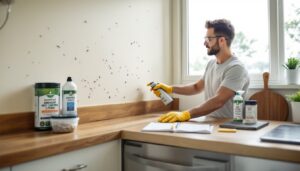
Budget-conscious homeowners have legitimate ways to reduce pest control costs without sacrificing effectiveness. Seal and clean first. Before calling a professional, caulk visible cracks around pipes, doors, and windows. Remove food sources, secure trash cans, and declutter storage areas. Many pest problems require both chemical treatment and habitat modification, doing the latter yourself cuts service time and, often, the contractor’s fee. A technician spending 30 minutes instead of an hour means lower labor costs.
Get multiple quotes. Call three local contractors and compare pricing. Ask what’s included: Do they inspect for entry points? Do they seal cracks or just spray? A $150 service that includes sealing is better value than a $120 service that doesn’t. Check credentials and read reviews, the cheapest option often means inexperienced technicians who miss problem areas.
Ask about bundled services. Some contractors discount if you treat multiple issues (rodents and insects, for example) in one visit. Negotiate annual contracts. If you commit to 12 months of service upfront, many companies offer 10% to 20% discounts off monthly rates. This works if you’re confident you’ll stay with them and pest activity justifies ongoing coverage.
DIY prevention between visits. Pest control tips and regular maintenance extend the life of professional treatments. Trim vegetation away from your house, remove standing water, store firewood away from the structure, and don’t leave pet food outside. These habits reduce reinfestation risk and might mean you can stretch service intervals from monthly to quarterly. Also check pest control trends 2026 for new, cost-effective methods gaining traction. Resources like HomeAdvisor and ImproveNet let you compare local contractor pricing and read homeowner reviews before committing.
Conclusion
Pest control costs range from $100 to $500+ depending on the pest, infestation size, and your location. One-time treatments suit isolated problems, while monthly plans offer long-term value if you’ve had recurring issues. By sealing entry points, getting multiple quotes, and committing to prevention, you’ll keep costs reasonable and protect your home effectively. The key is acting quickly, early treatment always costs less than waiting for an infestation to grow.