Table of Contents
ToggleA pest infestation doesn’t just leave you uncomfortable, it puts your home’s structural integrity and your family’s health at risk. Guaranteed pest control offers homeowners peace of mind, but the term means different things depending on the service provider and your situation. Understanding what “guaranteed” actually covers is the first step toward choosing the right solution. This guide breaks down everything from DIY prevention strategies to professional service agreements, helping you eliminate pests once and for all.
Key Takeaways
- Guaranteed pest control means a company will retreat your home at no extra charge if pests return within 30–90 days—it protects against treatment failure, not future infestations from new entry points.
- Professional pest control is essential for destructive pests like termites, bed bugs, and rodents because they hide in hard-to-reach areas where DIY treatments typically fail and resistance to over-the-counter products is common.
- Sealing entry points with silicone caulk, eliminating moisture, storing food properly, and decluttering are critical DIY prevention methods that significantly reduce pest risk and save money long-term.
- Call a professional if you notice multiple pests over several days, pest droppings, structural damage, skin bites, or repeated problems after DIY attempts—free inspections help clarify whether you need service.
- A quality guaranteed pest control agreement should specify which pests and areas are covered, the exact guarantee period and retreat terms, exclusions, and confirmation that the company uses EPA-registered products.
- Long-term pest control success requires ongoing maintenance: schedule quarterly inspections, reseal entry points twice yearly, monitor humidity monthly, and maintain records to help technicians adjust treatment as needed.
Understanding What Guaranteed Pest Control Really Means
When a pest control company promises “guaranteed” service, you’re not getting a lifetime immunity from pests. What you’re getting is a contractual promise to retreat your home at no extra charge if pests return within a specific timeframe, typically 30, 60, or 90 days after treatment. This guarantee protects you against treatment failure, not future infestations from new entry points or different pest types.
The scope of the guarantee matters. Some companies only cover the specific pest and location treated. Others offer broader coverage but exclude certain areas or require homeowner cooperation (like sealing entry points). Always read the fine print: Does the guarantee include follow-up visits? Are there conditions you must meet, like maintaining a clean home? Does it cover only interior treatment or exterior as well?
Most reputable pest control providers base their guarantees on industry standards and local regulations. Your state’s pest control board typically oversees licensing and complaint resolution if a company doesn’t honor its guarantee. This regulatory backing gives you recourse if promised service isn’t delivered.
Common Household Pests and Why They Require Professional Solutions
Cockroaches, bed bugs, termites, and rodents are the most destructive household pests. Each requires different treatment approaches, and DIY attempts often fail because pests hide in walls, attics, and crawl spaces homeowners can’t easily access.
Termites cause up to $5 billion in damage annually across North America. Subterranean termites live underground and build mud tubes to reach wood, you might not notice them until structural damage is severe. Drywood termites nest inside wood beams themselves. Professional pest control uses specialized equipment to inspect hidden areas with thermal imaging and moisture meters, identifying infestations that visual inspection misses.
Bed bugs have developed resistance to common over-the-counter treatments. They hide in mattress seams, baseboards, and furniture cracks, requiring heat treatment or multiple chemical applications spread over weeks. A single missed hiding spot means reinfestation.
Cockroaches reproduce rapidly and develop pesticide resistance. They contaminate food and trigger asthma in children. Professional services use integrated pest management (IPM), combining baiting, crack sealing, and targeted sprays.
Rodents can carry hantavirus and contaminate insulation with droppings that spread disease. One mouse can produce 75 droppings daily. Professionals use exclusion methods, sealing entry points with steel mesh and caulk, paired with trapping, addressing both the immediate problem and future entry.
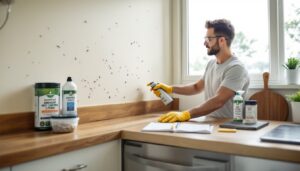
Essential Pest Control Tools can help with minor issues, but infestations demand professional expertise.
DIY Prevention Methods to Protect Your Home
You can’t prevent every infestation, but smart prevention cuts your risk significantly and saves money long-term.
Seal entry points. Use silicone caulk to seal cracks around baseboards, pipes, and utility lines. Check weather stripping on doors and windows, gaps larger than 1/8 inch let insects through. Install door sweeps on exterior doors. Rodents squeeze through holes the size of a dime, so be thorough.
Eliminate moisture. Pests need water. Fix leaky pipes, ensure gutters drain away from the foundation, and run a dehumidifier in basements (aim for 50% humidity or lower). Remove standing water from planters and pet bowls before bed.
Store food properly. Transfer dry goods to airtight containers. Don’t leave pet food out overnight. Take trash out regularly and use bins with tight lids. This cuts off the primary attractant.
Declutter. Pests hide in clutter. Remove stacks of newspapers, cardboard boxes, and unused items from basements and attics. These materials are insulation and nesting material rolled into one.
Maintain landscaping. Trim shrubs and tree branches away from the roof and siding. Store firewood at least 20 feet from the house. Mulch piles attract termites and rodents.
Install screens. Repair torn window and door screens. Use 1/16-inch mesh screens, standard screens (1/8-inch) let gnats and mosquitoes through. Pest Control Strategies offers deeper guidance, but these fundamentals are your baseline defense.
When to Call a Professional Pest Control Service
DIY approaches work for prevention and minor issues, a few ants or the occasional spider. But call a professional if you see signs of active infestation:
- Multiple pests over several days (not just one random bug)
- Pest droppings in cabinets, attics, or crawl spaces
- Structural damage like hollow-sounding wood, sagging drywall, or mud tubes (termites)
- Bites or welts on skin (bed bugs, fleas)
- Repeated problems after DIY treatment
- Pest activity in walls or ceiling voids (you hear scratching at night)
Termite infestations especially demand professional treatment. A homeowner missing even one colony means reinfestation within weeks. Most states require licensed pest control operators for termite work.
Bed bugs are another case where DIY fails regularly. Residential treatment requires pesticide applications to mattresses, furniture, and baseboards, applications that demand professional knowledge of dosage and safety. Heat treatment, the most effective bed bug solution, requires specialized equipment and expertise.
Rodent exclusion requires identifying entry points and sealing them correctly. Homeowners often seal holes while mice are still inside, trapping them in walls where they decompose and create odor problems. Professionals use a sequence: inspection, trapping active pests, then exclusion.
If you’re unsure, request a free inspection. Most licensed pest control companies offer this, and it clarifies whether you need service or just preventive measures.
What to Expect From a Guaranteed Service Agreement
A quality guaranteed pest control agreement includes specific terms. Here’s what to look for:
Treatment details. The contract should specify which pests are covered, treatment methods (chemical, baiting, trapping), and which areas will be treated (interior, exterior, both). It should list any restrictions or conditions, for example, “homeowner must remove clutter from attic before treatment.”
Guarantee period. Most guarantees run 30 to 90 days. Some premium services offer seasonal guarantees (protecting you year-round for a higher fee). The contract should state the exact coverage period and what triggers the guarantee (you call within this window and report pests).
Retreat terms. Does the company come back free of charge? How many retreats are included? Do they charge for travel or materials on retreats?
Exclusions. Guarantees typically don’t cover new infestations from different pests, treatment failure due to homeowner non-compliance (like not sealing entry points), or damage from pests that occurred before treatment.
Pest control trends in 2026 point toward more transparent agreements. Companies increasingly use digital documentation and photo evidence of treatment, protecting both homeowner and provider. Before signing, compare guarantees across 3-4 companies.
Safety documentation. The contract should confirm the company will use EPA-registered products and apply them according to label directions. Ask about pet and child safety protocols.
Cost. Guaranteed service costs more than non-guaranteed service because the company assumes reinfestation risk. Budget $300–$600 for initial treatment on a typical home, with annual maintenance running $400–$1,200 depending on region and pest pressure.
Maintaining Long-Term Pest Control Success
A guaranteed treatment works only if you maintain your home’s defenses. The most common reason homeowners re-infest is neglecting prevention after professional service ends.
Schedule regular inspections. Quarterly pest control inspections catch early activity before populations explode. These cost $75–$150 but prevent $3,000+ in damage. Best Pest Control solutions include regular monitoring as standard.
Keep sealing entry points. Weather stripping wears out: caulk cracks. Re-inspect twice yearly, particularly before fall and winter when pests seek shelter. Rodents can enlarge a 1/4-inch crack to 1/2-inch within weeks.
Monitor moisture. Fix leaks immediately. Check basement humidity monthly using an inexpensive hygrometer. If you’re above 60% humidity, pests have what they need to thrive.
Maintain records. Keep receipts and photos from pest control visits. Document any pest activity you notice. This record helps your technician understand infestation patterns and adjust treatment if needed.
Use prevention products year-round. Boric acid powder in cracks (keep away from pets and children), diatomaceous earth in crawl spaces, and sticky traps in common pest corridors provide ongoing defense between professional visits. Pest Control Tips offers specific product recommendations.
Know your local pest pressure. Resources like Angi’s pest control guides and Good Housekeeping’s home care reviews help you understand which pests are active in your region and season. Seasonal planning, like rodent proofing before winter, prevents problems before they start.
Most guaranteed pest control failures happen because homeowners ignore follow-up. The treatment itself only works if your home stays sealed and dry. You’re the frontline defense: the pest control company is backup.
Conclusion
Guaranteed pest control delivers real protection when you choose a licensed provider, understand the guarantee terms, and maintain prevention measures at home. The guarantee itself isn’t an insurance policy, it’s assurance that the company stands behind its work. By combining professional service with year-round prevention, sealing, and monitoring, you create a pest-resistant home that stays protected long-term. Start with a free professional inspection to understand your specific risk, then build your strategy from there.