Table of Contents
TogglePests don’t wait for the perfect moment to invade your home, they just show up. Whether it’s ants marching across your kitchen counter, roaches hiding in dark corners, or rodents scratching behind walls, unwanted visitors are a homeowner‘s worst headache. Traditional pest control often means harsh chemicals, toxic fumes, and worry about what those treatments are doing to your family and pets. EcoGuard pest control offers a different path: effective, non-toxic solutions that actually work. If you’ve been searching for a way to protect your home without the chemical cocktail, this is the practical approach you’ve been waiting for.
Key Takeaways
- EcoGuard pest control uses naturally derived compounds like diatomaceous earth and botanical oils to eliminate pests without toxic chemicals or lingering fumes.
- Non-toxic pest solutions protect your family and pets from neurotoxic effects and chemical residues that traditional sprays can leave on surfaces and in HVAC systems for weeks.
- Environmentally responsible pest management prevents bioaccumulation in soil and groundwater, protecting beneficial insects and maintaining your garden’s ecosystem health.
- Seal entry points and eliminate food, water, and shelter sources before applying EcoGuard products—prevention is more effective than any single product.
- EcoGuard effectively targets soft-bodied insects like ants, roaches, and aphids within 3–7 days, but serious infestations like termites or bed bugs may require professional intervention.
What Is EcoGuard Pest Control?
EcoGuard pest control is a non-toxic, environmentally responsible approach to managing household and garden pests. Instead of relying on synthetic insecticides loaded with harsh chemicals, EcoGuard uses naturally derived compounds, targeted application methods, and preventative strategies that eliminate pests while keeping your indoor environment safe.
The core idea is straightforward: target the pest, not the whole house. EcoGuard solutions include botanical extracts, food-grade diatomaceous earth, beneficial nematodes, and other naturally occurring substances that disrupt pest lifecycles without lingering toxins. When you use these products, you’re not fumigating your bedroom, you’re addressing the specific areas where pests live and breed.
Unlike conventional pest control spray trucks that blanket entire neighborhoods, EcoGuard methods focus on precision. A technician identifies entry points, nesting sites, and food sources, then applies concentrated treatments where they’ll actually work. This efficiency means fewer applications, lower costs over time, and less chemical exposure for your household.
Why Choose EcoGuard Over Traditional Pest Control Methods
Safety for Families and Pets
Traditional pest control sprays contain pyrethroids, organophosphates, and other compounds that can linger on surfaces, in your HVAC system, and in carpet fibers for weeks. Kids crawling on treated floors, pets grooming their paws, and adults breathing recirculated air are all exposed to residual chemicals. EcoGuard eliminates that risk entirely.
Naturally derived substances break down quickly in the environment and don’t accumulate in your home. Diatomaceous earth, for example, is so safe that it’s used as an anti-caking agent in food products. Botanical oils like neem and peppermint are irritants to insects but pose no systemic risk to humans or pets at recommended concentrations. Families with asthma, chemical sensitivities, or young children find enormous peace of mind switching to EcoGuard, and pet owners no longer have to keep dogs and cats away from treated areas for 24 hours.
You’re also avoiding the neurotoxic effects associated with conventional insecticides. Studies increasingly link chronic low-level exposure to synthetic pesticides with neurological impacts, particularly in children. Going non-toxic isn’t just about comfort, it’s about long-term health protection.
Environmental Benefits
When traditional pest control treatments wash into soil and groundwater, they don’t disappear. They persist, accumulating in aquatic ecosystems and harming beneficial insects like bees and ladybugs. Your beautiful garden doesn’t just need protection from pests, it needs protection from the chemicals meant to kill them.
EcoGuard solutions break down naturally and don’t bioaccumulate. Beneficial nematodes, for instance, are microscopic organisms that hunt soil-dwelling pests like grubs and fleas, then die naturally when their food source is gone. They leave no chemical residue. Botanical extracts degrade within days under UV light and soil bacteria. This means your yard stays a functioning ecosystem instead of becoming a sterile chemical zone.
The pest control trends 2026 show a clear industry shift toward sustainable, reduced-chemical approaches. Homeowners are increasingly demanding solutions that don’t sacrifice their garden’s health or their family’s wellbeing. EcoGuard aligns with this momentum, letting you protect your property without guilt.
How to Use EcoGuard in Your Home
Using EcoGuard effectively starts with honest assessment. Walk your home’s perimeter and identify where pests are entering and nesting. Look for cracks around foundations, gaps where utilities enter walls, damaged door seals, and openings in soffits or vents. Most pest infestations are supply-chain problems: pests come because they’ve found food, water, or shelter.
Before applying any EcoGuard product, eliminate those attractants. Seal food in airtight containers, fix leaky pipes, remove standing water, and declutter areas where pests hide. This prep work matters more than the product itself. You can spray the finest non-toxic solution, but if crumbs and moisture are still there, pests will keep coming back.
For indoor use, diatomaceous earth (the food-grade type, never pool grade) works well in cracks, crevices, and under appliances where roaches and ants travel. Dust it lightly, you want a thin coating, not a visible cloud. It works by dehydrating insects’ exoskeletons, but only where they actually walk. Botanical insecticidal soaps target soft-bodied insects like aphids and spider mites: spray directly on affected plants or infested areas indoors.
Outdoor applications depend on the pest. Beneficial nematodes work best in spring or fall when soil moisture and temperature are moderate: they’ll hunt grubs, fleas, and other soil larvae without poisoning your lawn. Neem oil spray handles garden pests and can be applied every 7–10 days as needed, but always follow label rates and apply in early morning or evening when beneficial pollinators aren’t active.
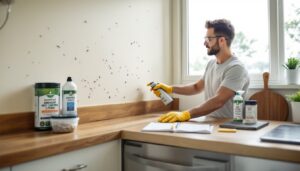
Safety during application is non-negotiable. Even natural products can irritate eyes and skin. Wear nitrile gloves, safety glasses, and a dust mask when applying powder formulations. Keep kids and pets away until products dry. Read every label completely, “natural” doesn’t mean “no caution required.”
For serious infestations (termites, bed bugs, large rodent populations), don’t hesitate to call in essential pest control tools or hire a professional who specializes in non-toxic approaches. Some problems exceed DIY scope.
Common Pests EcoGuard Effectively Targets
EcoGuard solutions work best against soft-bodied insects and crawling pests where direct contact or ingestion can occur. Here’s what you can realistically tackle:
Ants and roaches respond quickly to diatomaceous earth and botanical insecticidal soaps. These pests travel along predictable paths and rest in cracks, the exact places where EcoGuard products concentrate. Results typically show within 3–7 days.
Spiders, mites, and aphids succumb to neem oil and horticultural soap sprays. Garden infestations of spider mites or indoor spider populations can be managed with regular application every week or two until populations drop.
Fleas and ticks on pets and in bedding can be controlled with food-grade diatomaceous earth applied directly to pet fur (avoiding eyes and nose) or dusted into carpets and furniture. Many pet owners switch entirely to non-toxic flea management using this method.
Mosquitoes and gnats can be managed with mosquito dunks (a biological control containing Bacillus thuringiensis israelensis, a bacterium harmless to mammals) in standing water, combined with drainage fixes and fan use.
Harder targets include termites, carpenter ants, and rodents. While some pest control strategies can help, these infestations often require structural repairs, exclusion work, or professional intervention. EcoGuard products alone aren’t sufficient for active termite damage or established rodent colonies.
The key is matching the pest to the right tool. Expecting one product to handle everything is like expecting a hammer to also turn screws. Research what you’re actually dealing with before buying. Customer reviews at EcoGuard Pest Management show strong results for common household pests when applied correctly.
Conclusion
EcoGuard pest control isn’t a silver bullet, but it’s a legitimate, proven alternative to chemical-heavy treatments. By combining targeted non-toxic products with smart prevention and exclusion work, you can keep your home pest-free without compromising your family’s health or your garden’s ecosystem. Start with honest assessment, seal entry points, eliminate food and water sources, then apply EcoGuard solutions where they actually matter. Your home, and your peace of mind, will thank you.