Table of Contents
TogglePest problems don’t wait for the perfect time to show up. Whether you’re dealing with roaches in the kitchen, flies buzzing around the pantry, or mosquitoes ruining your back deck, you need something that actually works, and works fast. Dynamite pest control products are designed for exactly this situation: homeowners who want reliable, straightforward solutions without hiring an expensive professional service. In 2026, these formulations have evolved to be safer for families and pets while delivering the knockout power the name suggests. This guide walks you through what Dynamite pest control is, how it works, how to use it safely, and which pests it handles best.
Key Takeaways
- Dynamite pest control products are ready-to-use, homeowner-friendly formulations that eliminate common household and garden pests without requiring a professional applicator license.
- These products work through contact kill (disrupting the insect’s nervous system) or stomach poison (ingested toxins), with most formulations acting within minutes to hours depending on the pest type.
- Always read product labels completely, wear appropriate personal protective equipment (gloves, safety glasses, and respiratory masks when needed), and keep children and pets away until treated areas are fully dry.
- Prep your space by removing clutter and debris, target pest habitats like baseboards and wall voids rather than just visible insects, and apply a light, even coat for maximum effectiveness.
- For severe infestations that don’t improve within 2–3 weeks of consistent Dynamite applications, contact a licensed pest control professional for expert-grade treatment and structural assessment.
- Combine multiple Dynamite methods—such as sprays paired with baits or growth regulators—and reapply only as directed on the label to break pest life cycles without breeding resistance.
What Is Dynamite Pest Control
Dynamite is a consumer-grade pest control brand known for producing ready-to-use sprays and baits that target common household and garden pests. Unlike bulk agricultural pesticides or professional-grade formulations, Dynamite products come in homeowner-friendly sizes and concentrations designed for indoor and outdoor use. You’ll find them in hardware stores, big-box retailers, and online, no applicator license required.
The brand covers a wide range of pests: insects like ants, roaches, fleas, and flies, plus outdoor nuisances such as mosquitoes, wasps, and grubs. Some formulations are liquid sprays ready to spray straight from the bottle: others are concentrates you mix with water. A few come as bait stations or granules for specific applications. The appeal is simplicity: grab the product matching your pest, follow the label, spray or apply, and wait for results. Most homeowners appreciate this straightforward approach, especially when they need a solution the same day they spot the problem.
How Dynamite Pest Control Works
Dynamite pest control products kill pests through one of two main mechanisms: contact kill or stomach poison. Contact formulations work when the pesticide touches the insect’s exoskeleton, disrupting its nervous system and causing rapid paralysis or death. Stomach poisons work differently, the pest ingests the active ingredient (often through a bait), and the toxin damages its digestive or nervous system from the inside. Some products combine both methods for extra reliability.
Most formulations act within minutes to hours, depending on pest type, product concentration, and environmental conditions like temperature. A roach spray might drop insects in seconds: an ant bait may take a day or two because worker ants carry poisoned food back to the colony, eliminating the queen and her brood. Speed matters for obvious reasons, but long-term colony elimination is often more important than immediate knockdown, you want the problem gone, not just suppressed for a week.
Key Active Ingredients
Dynamite products typically use one or more of these active ingredients:
- Pyrethrins and pyrethroids – Synthetic copies of natural insecticides from chrysanthemum flowers. Fast-acting contact killers effective on a wide range of insects. Pyrethroids like bifenthrin or permethrin have better stability and longer residual action than pyrethrins.
- Neonicotinoids (imidacloprid, dinotefuran) – Systemic insecticides that mimic nicotine. Often used in bait formulations because they’re absorbed by insects and can be spread through colony feeding behavior.
- Organophosphates – Older chemistry that disrupts insect nervous function. Some formulations still use these, though they’re being phased out in many regions due to toxicity concerns.
- Natural oils (neem, rosemary) – Botanical options for homeowners preferring plant-based actives. Effective but usually slower-acting and shorter-lasting than synthetic options.
Always read the label to see which active ingredient is in your product. This tells you how fast it works, how long it lasts, and whether it’s safe for the environment where you’re applying it.
Safety Considerations and Best Practices
Pest control products are poisons by design, they kill insects. Treat them with respect. Here’s what you need to know before you open the bottle.
Read the label completely. Not just the directions, but the warnings, signal words (“Caution,” “Warning,” “Danger”), and first-aid instructions. The label is legally binding and tells you everything you need to use the product safely. If you can’t understand it, call the manufacturer’s hotline (usually on the label) or ask at the store.
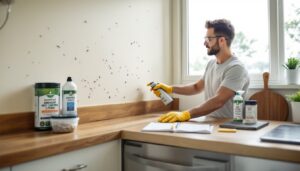
Wear appropriate personal protective equipment (PPE). At minimum: chemical-resistant gloves, safety glasses, and a long-sleeved shirt. If you’re spraying indoors or in an enclosed space, wear a respiratory mask rated N95 or higher. If the label says “do not breathe spray,” take that seriously. Ear protection isn’t usually needed for pest control but is worth considering in loud environments.
Keep pets and children away. Don’t apply products where kids play or pets sleep until the product has dried or settled (usually 2–4 hours). Many Dynamite formulations are pet-safe once dry, but the wet spray isn’t. If you have fish tanks, cover them during application, some products can harm aquatic life.
Ventilate well. Open windows and doors when spraying indoors. Don’t seal up the house while the product is wet. Indoor air quality matters, especially if anyone has asthma or respiratory sensitivity.
Follow dosage and frequency. More product doesn’t mean faster results: it’s wasteful, more expensive, and increases health risk. Apply exactly what the label recommends, no more. Reapply only as often as the label suggests, even if you still see pests. Overuse can breed resistant populations anyway.
Store safely. Keep products in their original containers in a locked cabinet or shed, away from food, water sources, and children. Don’t pour leftovers into unmarked bottles. If you can’t use it again, check your local hazardous waste disposal program, don’t dump it down the drain.
Common Pests Dynamite Products Target
Dynamite formulations cover most household and yard nuisances. Here’s what works against which pests:
Indoor insects: Roaches, ants, fleas, bed bugs, flies, and silverfish are the typical targets. Spray formulations work best for roaches and flies (fast contact kill), while baits excel at ants and bed bugs (colony penetration). Flea treatments often combine sprays for immediate relief with growth regulators to break the life cycle.
Outdoor pests: Mosquitoes, wasps, hornets, yellow jackets, grubs, chinch bugs, and certain beetles fall within range. Yard sprays are typically applied to grass, shrubs, or perimeter areas where pests congregate. Wasp and hornet sprays are designed for immediate knockdown of nesting insects, apply at dusk when insects are less active.
Garden and landscape pests: Certain Dynamite lines target aphids, mites, scale insects, and other plant-damaging bugs. These are usually lower-toxicity formulations suitable for vegetables and ornamental plants, though you’ll still need to check labels for any harvest-waiting periods before eating treated produce.
Not all Dynamite products work on all pests. Buy the formulation matched to your specific problem. If you’re unsure whether a product targets your pest, check the label’s pest list or call the manufacturer. Pest Control Strategies: Effective Methods to Protect Your Home and Garden provides more detail on matching solutions to specific invaders.
Application Tips for Maximum Effectiveness
Using Dynamite pest control correctly matters more than most homeowners expect. Here’s how to get professional-grade results:
Prep the area. Before spraying, remove clutter, vacuum up crumbs and debris, and clean surfaces where pests congregate. Pests hide in cracks, under appliances, and behind baseboards, pesticide works best when it contacts the insect, not just the air around it. Decluttering gives the poison a fighting chance.
Check weather conditions. Outdoor sprays need dry conditions, rain washes them away before they work. Don’t spray right before rain or in strong wind that’ll carry the spray away from target areas. Early morning or late evening (when pests are active and wind is calm) works best for yard applications.
Target pest habitats, not just visible insects. You might see one roach, but the colony is in wall voids and behind appliances. Spray along baseboards, under sink cabinets, and behind the stove, places you can’t see but pests definitely use. For ants, place baits along their trails and entry points: they’ll do the distribution work for you.
Don’t oversaturate. A light, even coat works better than soaking an area. You want the pesticide to contact the pests, not pool or drip. Most sprayers come with a trigger or nozzle that lets you control application rate, adjust it to a fine mist for indoor use, a broader spray for outdoor areas.
Allow drying time. After spraying indoors, keep the space ventilated and stay away for at least 2–4 hours (check the label). Don’t wipe or wash treated surfaces immediately. The wet product needs time to make contact with pests and dry to a residual barrier that keeps working over days or weeks.
Reapply as directed. Some pests need multiple applications 7–14 days apart to break their life cycle. Don’t apply more frequently than the label allows, but don’t skip follow-up treatments either. Consistent, label-directed application beats sporadic heavy-handed spraying.
Combine methods when necessary. For stubborn infestations, pairing sprays with baits or growth regulators often works better than one method alone. Essential Pest Control Tools for Effective Home Protection covers complementary tools and tactics that pair well with chemical treatments. Pest Control Trends 2026: discusses how modern integrated approaches outperform single-product strategies.
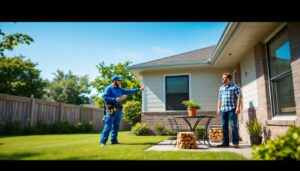
If you’re dealing with a severe infestation, structural pest damage (termites), or widespread presence that your DIY efforts don’t touch within 2–3 weeks, call a licensed professional. Some situations need professional-grade equipment, expertise, or building access that a homeowner can’t provide safely.
Conclusion
Dynamite pest control offers straightforward, effective solutions for homeowners ready to take action against household and yard pests. Success comes down to choosing the right product for your specific pest, reading and following the label, using proper safety precautions, and being consistent with applications. Start with proper prep and targeting: combine methods when needed: and don’t hesitate to call a pro if the problem outpaces your DIY toolkit. Your home should feel like yours, not a haven for unwanted visitors.