Table of Contents
ToggleOrlando’s warm, humid climate is a year-round playground for pests, termites, cockroaches, ants, and mosquitoes thrive in Florida’s subtropical environment. For homeowners, this reality means pest control isn’t just a spring cleaning task: it’s an ongoing necessity. Whether you’re dealing with an active infestation or building a defense strategy, understanding your options for best pest control in Orlando matters. This guide walks you through professional services, budget-friendly DIY methods, and proven prevention tactics to keep your home protected without guesswork.
Key Takeaways
- Orlando’s warm, humid climate makes year-round pest management essential, as termites, cockroaches, ants, and mosquitoes breed rapidly across all seasons—making professional pest control in Orlando a necessary investment rather than occasional maintenance.
- Professional pest control services identify root causes by locating entry points and nesting sites, preventing costly structural damage like termite repairs that can exceed tens of thousands of dollars.
- Eco-friendly and DIY prevention methods like sealing cracks, removing standing water, and using food-grade diatomaceous earth complement professional treatments while reducing chemical exposure.
- Licensed Florida Certified Pesticide Applicators offering free inspections, detailed written estimates, and satisfaction guarantees are essential when choosing a pest control provider—verify credentials through the Florida Department of Agriculture and Consumer Services.
- Consistent quarterly maintenance including inspections, caulking, proper drainage, and sealed food storage prevents future infestations more cost-effectively than emergency reactive treatments for severe pest problems.
Why Professional Pest Control Matters In Orlando’s Climate
Orlando’s heat, humidity, and frequent rainfall create ideal conditions for pests year-round. Unlike colder climates where winter slows reproduction, Orlando’s pests breed rapidly across all seasons. Termites cause an estimated $5 billion in damage annually across the US, and Florida properties rank among the highest risk due to moisture and wood-frame construction. Professional pest control services understand local pest behavior, population cycles, and the specific vulnerabilities of Orlando homes. They deploy treatments calibrated for Florida’s regulatory environment and apply techniques that handle the region’s most problematic invaders. DIY methods often address symptoms rather than root causes, a professional identifies entry points, nesting sites, and environmental conditions that attract pests. For structural threats like termites, professional inspection and treatment can prevent tens of thousands in repair costs.
Top-Rated Pest Control Services In Orlando
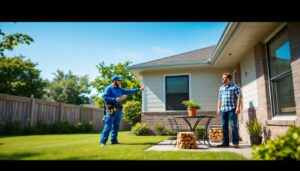
Orlando’s pest control market includes both national chains and local specialists. National providers like Orkin, Terminix, and Aptive bring corporate infrastructure and standardized protocols: local services often offer personalized attention and faster response times. When evaluating services, look for Florida-licensed applicators (Certified Pesticide Applicators) and verify they’re insured. Most reputable services offer free inspections and provide detailed quotes before treatment begins. Cost varies by pest type and property size: general pest control runs $300–$600 quarterly, while termite treatments range $800–$2,500 depending on infestation severity and foundation access. Pricing information for pest control services in Orlando helps homeowners compare local rates. Read recent reviews on regional platforms and ask if the company offers a satisfaction guarantee or re-treatment clause. Many insurers offer discounts for homes under active pest management contracts, worth asking about when budgeting.
Eco-Friendly And DIY Pest Prevention Strategies
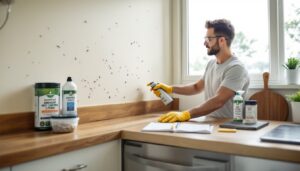
Professional treatment works best alongside proactive prevention. For minor issues or between professional visits, eco-friendly methods reduce pest populations without heavy chemicals. Diatomaceous earth (food-grade only) is a natural powder that damages insect exoskeletons: it’s safe for pets and children when used as directed. Boric acid baits target roaches and ants but must be kept away from curious hands and paws. Neem oil sprays disrupt insect reproduction cycles and work on multiple pest types. Essential oils like peppermint and tea tree repel some insects, though their effectiveness is inconsistent. The foundation of any DIY strategy is exclusion: seal cracks in foundations and siding with caulk or weatherstripping, install door sweeps, and repair window screens. Store food in airtight containers, remove standing water sources (gutters, plant trays, birdbaths), and trim vegetation away from the house perimeter. These steps cost little but eliminate the conditions that invite pests.
Natural Methods For Common Orlando Pests
Florida’s most common household pests each respond to different natural interventions. Ants (especially the invasive fire ant and ghost ant) can be deterred by cinnamon, coffee grounds, or citrus peels: baiting with borax-sugar solutions works but requires careful placement away from children. Cockroaches hate strong light and prefer darkness: keeping areas well-lit and sealed reduces harborage. Pest control strategies that combine multiple methods, sanitation, exclusion, and targeted treatment, outperform single approaches. Mosquitoes breed in standing water: removing breeding sites is the most effective prevention. Termites are harder to address without professional help, but reducing soil-to-wood contact and controlling moisture around foundations limits damage. For bed bugs, heat treatment (raising room temperature to 118°F for 90 minutes) kills all life stages, though this requires professional equipment or DIY units. Most homeowners find professional treatment necessary for termites, bed bugs, and severe infestations: pest control tips emphasize knowing when to call reinforcements.
How To Choose The Right Pest Control Service For Your Home
Selecting a pest control provider involves more than picking the cheapest quote. Start by defining your need: is it routine prevention, a specific infestation, or emergency response? Different companies specialize in different areas. Ask potential providers whether they use integrated pest management (IPM), a strategy combining inspection, monitoring, exclusion, and targeted treatment to minimize chemical use. Request a detailed written estimate that breaks down service type, treatment frequency, chemicals used, and warranties. Check licensing through the Florida Department of Agriculture and Consumer Services (FDACS). Verify insurance and ask how they handle pet and child safety during treatment: quality companies provide pre-treatment instructions and keep occupants away during application. Compare essential pest control tools that reputable companies deploy, proper equipment indicates professionalism. References and online reviews matter: look for consistency across platforms rather than one stellar or one poor rating. A responsive company answers questions fully and explains why treatments are necessary, not just what they’ll cost.
Preventing Future Pest Problems
Once you’ve addressed an active infestation, prevention keeps your home pest-free long-term. Schedule regular inspections, quarterly for active pest concerns, annually for maintenance, before infestations establish. Pest control for beginners emphasizes that consistent maintenance beats reactive treatment. Caulk interior and exterior cracks, seal gaps around utility penetrations, and install screens on foundation vents. Keep gutters clean and ensure downspouts direct water at least 4–6 feet from the foundation: standing water attracts mosquitoes and termites. Maintain landscaping: trim branches away from rooflines (termites and roof rats use these as highways), avoid mulch piled directly against siding, and remove dead wood promptly. Inside, store pantry items in sealed containers, take garbage out regularly, and don’t leave pet food sitting overnight. A dehumidifier in basements or crawl spaces reduces moisture that attracts roaches and termites. Professional quarterly treatments cost less than replacing structural damage or managing a severe infestation later. Pest control trends 2026 highlight smart monitoring systems that alert homeowners to pest activity before visible damage occurs. Combining professional expertise with homeowner diligence creates a comprehensive defense.
Conclusion
Orlando’s climate demands proactive, year-round pest management. Professional services provide expertise and resources that DIY methods alone can’t match, while prevention and natural strategies reduce chemical exposure and long-term costs. Start with a professional inspection to identify current and potential issues, then pair quarterly treatments with consistent exclusion and maintenance. Choosing a licensed, insured company and maintaining open communication ensures your home stays protected. Resources like HomeAdvisor and Good Housekeeping offer additional guidance on pest control planning and product selection. The best pest control strategy is the one you maintain consistently.