Table of Contents
ToggleSpiders in the house trigger an instant reaction in most people, panic, followed by a shoe or rolled-up newspaper. But before you go full pest-control mode, it helps to understand what you’re actually dealing with. Most spiders are harmless and, frankly, beneficial allies against flies, mosquitoes, and other insects. That said, large infestations, persistent web-building in living spaces, or dealing with dangerous species like brown recluses or black widows demands action. This guide walks through practical spider control solutions, from natural deterrents to targeted chemical treatments, plus prevention strategies that actually work.
Key Takeaways
- Best pest control for spiders starts with understanding whether you have a genuine infestation (dozens of webs and egg sacs) or just occasional visitors that benefit your home by catching other insects.
- Natural methods like manual removal, peppermint oil sprays, and decluttering are most effective when combined with reducing insect populations and sealing gaps around windows and doors.
- Contact sprays kill spiders on sight, while residual sprays create lasting barriers that protect against re-infestation for weeks; both require proper safety precautions like gloves, masks, and ventilation.
- Prevention through sealing entry points, managing outdoor vegetation, controlling humidity in basements, and maintaining regular vacuuming prevents most infestations before they start.
- Professional pest control is worth the investment ($150–$400) when dealing with dangerous species like brown recluses or black widows, or when DIY efforts haven’t succeeded after 4–6 weeks.
Why Spiders Need Controlling (And When to Leave Them Alone)
Not every spider in your home needs to go. A lone wanderer catching insects in a basement corner is doing you a favor, free pest management. The real problem emerges when spiders colonize high-traffic living areas, build unsightly webs on walls and furniture, or when the sheer number makes you uncomfortable. Some situations genuinely demand action: populations of dangerous species (brown recluses in southern U.S. regions, black widows in warmer zones), spider bites on residents, or webs becoming a regular cleaning headache.
The key distinction is between occasional visitors and established infestations. A single spider spotted every few weeks is normal. Dozens of webs, active breeding signs, or egg sacs indicate a larger problem worth addressing. Spiders reproduce quickly in favorable environments, plenty of food (other insects), stable temperatures, and undisturbed areas like corners, closets, or basement rafters. Before jumping to pesticides, honestly assess whether you’ve got a genuine problem or just standard household coexistence.
Natural Spider Control Methods That Actually Work
Natural methods work best as a first step, especially if you have kids, pets, or prefer avoiding chemicals. The most effective approach combines removal, environmental changes, and deterrents rather than relying on any single tactic.
Manual removal is straightforward and safer than any spray. Use a broom or long stick to knock down webs, then vacuum up spiders or use a “spider catcher”, a handheld tube that traps spiders safely for release outdoors. For accessible egg sacs (white, tan, or papery pouches), vacuum them up immediately. This removes future generations before they’re born.
Reducing insect populations eliminates the food supply spiders depend on. Turn off outdoor lights at night or use yellow “bug lights” that attract fewer insects. Seal gaps around windows and doors. Fix screens. Clean up food debris and crumbs that draw ants and other small pests. Without a steady insect food source, spiders move elsewhere.
Environmental controls make your space less appealing. Spiders love clutter, so declutter dark corners, move stacked boxes, and don’t let piles of clothing or blankets sit on floors. They also prefer humidity in certain species, so running a dehumidifier in basements or crawl spaces can help. Keep storage areas and attics well-lit and ventilated, spiders prefer undisturbed darkness.
Essential Oils and Plant-Based Solutions
Peppermint oil shows the most promise among plant-based options. Mix 10–15 drops of pure peppermint essential oil with water in a spray bottle and apply along baseboards, corners, and entry points. The strong smell repels many spiders for days, though the effect diminishes as the oil evaporates. Reapply weekly or after cleaning.
Citrus sprays (lemon or orange extract mixed with water) work similarly. Some homeowners report success with cedar oil, though evidence is anecdotal. These methods are safest around kids and pets but won’t eliminate an established infestation, they’re deterrents, not killers.
Diatomaceous earth (food-grade only) is a fine powder made from fossilized algae. When applied as a light dust in corner crevices, it damages spider exoskeletons. Important: Only use food-grade diatomaceous earth: pool-grade is toxic. Wear a mask when applying, the fine particles irritate lungs if inhaled. Reapply after vacuuming since it loses effectiveness when wet.
These natural methods work best combined with removal, sealing gaps, and reducing pest populations. Alone, they rarely solve serious infestations.
Chemical Treatments and Targeted Sprays
When natural methods aren’t cutting it, targeted chemical sprays offer faster results. Chemical treatments come in two main categories: contact sprays and residual treatments.
Contact sprays kill spiders on the spot. Products containing pyrethroids (synthetic insecticides based on natural pyrethrin from chrysanthemum flowers) are common and relatively low-toxicity to mammals. Spray directly on visible spiders and webs. Effectiveness is immediate but doesn’t prevent future spiders from moving in.
Residual sprays leave an active barrier on surfaces, baseboards, windowsills, corners, that kills spiders for weeks after application. These contain longer-lasting active ingredients like bifenthrin or cypermethrin. Apply according to label directions, usually with a sprayer. Residual sprays require more preparation: clear clutter, vacuum thoroughly, and keep kids and pets away during application and until surfaces dry (typically 2–4 hours).
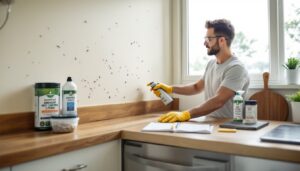
Spray application best practices:
- Wear gloves, eye protection, and a mask during application.
- Read the entire label before starting, instructions vary by product and location.
- Don’t spray more than directed: excess doesn’t improve results and wastes product.
- Target corners, baseboards, under furniture, and ceiling edges where spiders hide.
- Keep treated areas away from food preparation surfaces and pet areas.
- Ventilate the space well: many synthetic sprays have strong odors.
For specific spider species like brown recluses or black widows, consider products labeled specifically for those species or consult a professional. General-purpose spider sprays work, but targeted products often contain active ingredients chosen to address the species’ behavior and habitat.
Prevention Strategies to Keep Spiders Away Long-Term
Prevention beats treatment every time. A well-sealed, clean home discourages spider colonization from the start.
Seal entry points thoroughly. Spiders slip through cracks around windows, doors, baseboards, and utility penetrations. Use caulk or expanding foam to seal gaps wider than 1/8 inch. Apply weatherstripping to door bottoms and sweep seals to exterior doors. Don’t overlook foundation cracks, gaps around pipes entering the house, or openings in siding.
Manage outdoor harborage. Spiders often move indoors from outside populations. Keep vegetation trimmed back from the house foundation (12+ inches). Remove piles of wood, leaves, or debris against the house. Declutter garages, sheds, and entry porches, these transition zones are spider superhighways.
Control the insect population, as mentioned earlier. Pest control strategies that reduce overall bugs make your home far less attractive. Fix leaky outdoor faucets (insects gather for water), clean up fallen fruit or pet food, and keep gutters clear so water doesn’t pool and attract insects.
Light management matters. Outdoor lights at night attract insects, which attract spiders. Use motion-sensor lights or simply turn off unnecessary exterior lighting. If you need light, use yellow or amber bulbs that attract fewer insects.
Maintain regular cleaning and vacuuming. Weekly vacuuming removes egg sacs before they hatch, breaks down existing webs, and sucks up spiders hiding in carpets. Don’t forget corners, under furniture, and closets, these are spider favorites. A clean house discourages infestation simply because there’s nowhere comfortable for them to live.
Climate control in basements and crawl spaces (dehumidifiers, ventilation fans) makes spaces less attractive to moisture-loving spider species. Proper attic ventilation prevents warm, stable environments where certain species thrive.
When to Call a Professional Pest Control Service
Professional pest control is worth the cost in specific situations. If you’ve tried multiple approaches, sealing gaps, vacuuming, natural sprays, even residual treatments, without success, you likely have a large or well-established population. Professionals bring expertise in identifying the spider species (which affects treatment strategy), knowledge of local codes and restrictions, and access to commercial-grade products and equipment.
Expert recommendations for spider pest control emphasize professional service when dealing with dangerous species like brown recluses or black widows, especially if bites have occurred. These require targeted knowledge and sometimes multiple treatments over weeks.
Professionals also handle structural issues DIYers miss, attic infestations, crawl space colonies, or hidden harborage in wall voids. They can seal gaps properly and recommend moisture or insect-control measures tailored to your home’s specific weaknesses. Get estimates from at least two companies. Most offer quarterly or seasonal service plans, which maintain control longer than one-time treatments.
Cost varies by region and infestation severity, but expect $150–$400 for an initial service, with follow-ups costing less. It sounds like a lot, but if DIY methods haven’t worked after 4–6 weeks of consistent effort, professional service often proves faster and more cost-effective than buying multiple products and spending weekend labor on failed attempts.
Conclusion
Effective spider control combines honesty about what you’re actually dealing with, smart prevention, and the right tools for your situation. Start with removal and environmental changes, try natural deterrents if you prefer them, then escalate to chemical treatments only if needed. Seal gaps, reduce clutter and insect populations, and maintain regular cleaning, this alone prevents most infestations. Professional help makes sense for serious, persistent problems or dangerous species. The goal isn’t always total elimination: it’s keeping spider populations at levels where they’re helpful allies, not household headaches.