Table of Contents
ToggleAlder trees are beautiful additions to any landscape, but they’re also magnets for destructive pests. From bark beetles and sawflies to leaf-feeding insects, alder trees attract a specific roster of unwanted visitors that can weaken branches, strip foliage, and eventually kill the tree if left unchecked. Homeowners who love their alders often panic when they notice damage, but there’s good news. Whether you’re dealing with an active infestation or looking to prevent one, there are proven solutions ranging from chemical treatments to organic alternatives. This <a href="https://apartmentthearpy.com/best-pest-control/”>guide walks you through the top alder pest control options for 2026, reviews the products that actually work, and helps you decide whether to tackle it yourself or call in the pros.
Key Takeaways
- Alder pest control requires identifying the specific pest first—common culprits include alder psyllids, leaf beetles, sawflies, and bark beetles—each with distinct damage patterns and treatment solutions.
- Horticultural oils, systemic insecticides, and pyrethroids are proven chemical treatments, while organic options like spinosad, neem oil, and Bacillus thuringiensis offer gentler alternatives for environmentally conscious homeowners.
- DIY alder pest control works well for small trees under 15 feet with light infestations, but tall trees, severe infestations, and bark beetle damage require professional arborist services costing $300–800 per visit.
- Timing is critical for spray application—treat in early spring before bud break or fall when dormant to minimize harm to beneficial insects and reduce leaf burn.
- Integrated Pest Management (IPM) combining preventive tree care practices like pruning dead wood and proper watering with targeted sprays reduces reliance on single products and cuts long-term costs.
What Pests Target Alder Trees and Why
Several pest species have evolved to target alder trees specifically. The most common culprits include the alder psyllid, which feeds on leaf sap and causes leaf distortion and yellowing: alder leaf beetle, which skeletonizes leaves (eats tissue between veins, leaving a lacy appearance): and alder sawfly, whose caterpillar-like larvae defoliate entire branches in weeks.
Bark beetles, particularly the European alder bark beetle, tunnel beneath the bark to lay eggs, disrupting nutrient and water flow, a serious threat. Some species also attract secondary pests like woodpeckers that peck into infested bark.
Alders attract these pests because their soft bark and nutrient-rich sap are easy food sources. Trees in stress, drought-weakened, recently transplanted, or overcrowded, are hit hardest. Understanding which pest you’re facing is the first step to selecting the right control method. Look for telltale signs: yellowed, curled, or skeletal leaves: exit holes in bark: sawdust-like frass (insect droppings) at the tree base: or visible insects on foliage during inspection.
Top-Rated Alder Pest Control Products Reviewed
Chemical Treatments and Insecticides
Horticultural oils and dormant sprays remain the gold standard for alder pest control. Products containing mineral oil or neem oil suffocate soft-bodied insects like psyllids and sawfly larvae. Apply in early spring (before bud break) or fall when trees are dormant, this timing minimizes harm to beneficial insects and reduces leaf burn risk. Coverage is critical: you’ll need to thoroughly coat both leaf surfaces and bark crevices. A pump or backpack sprayer rated for 1–2 gallons is standard.
Systemic insecticides (imidacloprid, dinotefuran) are absorbed by the tree and circulate in sap, killing sap-feeding pests like psyllids from the inside. Products like Bayer Advanced Tree & Shrub or similar granular systemic options work well for trees over 3 inches in trunk diameter. Mix with water per label instructions, apply to the soil drip line, and water in well. Results appear in 7–14 days. The trade-off: systemics persist longer in the tree (weeks to months), so they’re harder on non-target insects, including bees if the tree flowers.
Spray formulations with pyrethroids (permethrin, bifenthrin) target a broader pest spectrum and work fast, often within hours. These are synthetic copies of natural pyrethrin from chrysanthemum flowers. Spray in early morning or late evening when pollinators are inactive, and avoid flowering trees. Always wear nitrile gloves, safety glasses, and a fitted mask when mixing and applying. Follow label rates exactly: over-application wastes product and increases toxicity risk.
Natural and Organic Options
Spinosad is OMRI-certified (approved for organic gardening) and derived from soil-dwelling bacteria. It kills by disrupting insect nervous systems and works on sawfly larvae and beetles within 24–48 hours. It breaks down quickly in sunlight (3–5 days), making it safer for bees if applied in evening. Mix and apply with the same sprayer setup as oils.
Neem oil, extracted from neem tree seeds, disrupts feeding, reproduction, and molt cycles in soft-bodied insects. It’s slower than synthetics (3–7 days) but gentler on the ecosystem. Use only on dormant or nearly dormant trees unless the product label explicitly permits foliar application. Cold weather reduces effectiveness, so wait for temperatures above 50°F.
Bacillus thuringiensis (Bt), a naturally occurring bacterium, produces toxins lethal to caterpillar-stage sawfly larvae but harmless to mammals, birds, and most other insects. It’s best applied early in the larvae stage when they’re feeding actively. Effectiveness drops if it rains heavily within 12 hours of application.
Many homeowners also see success with pest control strategies: effective methods that combine preventive practices (pruning dead wood to reduce insect habitat, maintaining tree health through proper watering) with targeted sprays. This integrated approach, called IPM (Integrated Pest Management), reduces reliance on any single product and often costs less over time.
DIY vs. Professional Pest Control for Alder Trees
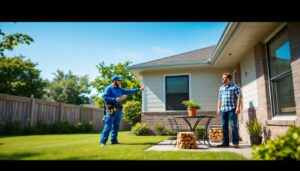
Deciding whether to spray yourself or hire a professional depends on tree size, infestation severity, and your comfort with equipment and chemicals.
When DIY makes sense:
Small trees (under 15 feet) and light infestations are manageable with a pump sprayer, ladder, and basic PPE. If you’re already familiar with pesticide safety and have secure storage, the cost savings are real, a bottle of neem oil costs $15–30 and covers multiple applications. Timing is flexible: you’re not locked into a contractor’s schedule. Pest control tips: how to keep your home bug-free provide foundational knowledge for seasonal prevention.
When to call a pro:
Tall alders (over 25 feet) require lift equipment or climbing expertise, a safety hazard for amateurs. Large infestations or bark beetle involvement demand fast, thorough treatment and sometimes tree removal if damage is irreversible. Many municipalities also require a license or permit for commercial pesticide application. If you’re unsure whether the tree is salvageable or whether structural damage is present, an arborist assessment ($150–300) is cheaper than guessing wrong.
According to resources like HomeAdvisor, professional tree pest control typically costs $300–800 per visit, depending on tree size and product type. DIY application might run $30–100 in materials but demands your time and attention to detail. Sites like Angi help you compare local arborist estimates and read reviews from other homeowners in your area.
If you choose DIY, start with pest control for beginners to understand application windows, personal protective equipment requirements, and disposal rules. Always read the product label twice, once before buying and again before mixing. Labels are legally binding: failure to follow them can void warranties, harm non-target plants, or create liability if someone gets sick.
Conclusion
Alder pest control in 2026 offers homeowners more options than ever, from fast-acting synthetics to gentle organic alternatives. The right choice depends on pest species, tree size, and your risk tolerance. Start with accurate pest identification, then match the product to the problem. Small infestations on young trees often respond to DIY treatment: serious or recurring issues warrant professional help. Pair any spray program with basic tree care: water during droughts, prune dead branches, and monitor for returning pests. With the right strategy, your alder trees can thrive pest-free for decades.