Table of Contents
ToggleBaltimore’s humid summers and mild winters create a pest control nightmare for homeowners. The region’s proximity to water, dense urban neighborhoods, and older housing stock make properties particularly vulnerable to roaches, termites, rodents, and other unwanted visitors. If you’re dealing with pest problems or want to stay ahead of them, understanding what you’re up against and what you can do yourself matters. This guide covers the pests common to Baltimore, practical prevention strategies, DIY solutions worth trying, and when it’s time to call in professionals.
Key Takeaways
- Baltimore’s humid climate and older housing stock create ideal conditions for cockroaches, termites, rodents, and mosquitoes, making year-round pest control vigilance essential.
- Prevention is more cost-effective than eradication: seal entry points, remove food and water sources, and maintain proper landscaping to keep pests out before they invade.
- DIY pest control solutions like gel baits, snap traps, and boric acid work for minor ant and roach infestations, but termites, bed bugs, and widespread rodent problems require professional pest control treatment.
- Seal cracks larger than 1/16 inch using caulk, backer rod, and expanding foam, and install steel mesh around vents and pipe penetrations to exclude rodents and insects effectively.
- Call a professional if you see multiple termite mud tubes, rodent droppings in several rooms, bed bugs, or if DIY efforts fail after 2–3 weeks; termite treatments and whole-home exclusion typically cost $1,000–2,500.
Common Pests in Baltimore and Climate Factors
Baltimore’s climate and urban environment attract specific pest pressures year-round. The warm, humid summers (often exceeding 85°F and 70% humidity) are peak breeding season for cockroaches, mosquitoes, and termites. Older rowhouses and brick buildings offer endless harborage, cracks in mortar, gaps behind pipes, and damp crawl spaces. German cockroaches thrive indoors: American cockroaches prefer wet areas near storm drains and basement foundations. Termites (especially subterranean species) love the clay-heavy soil common in the region and feast on wood structural members and untreated lumber.
Rodents, house mice and Norway rats, move indoors as temperatures drop in fall and winter. They squeeze through gaps as small as a dime (mice) or nickel (rats) and leave droppings and urine trails that spread disease. Carpenter ants tunnel through wood year-round and signal deeper moisture problems. Bed bugs hitch rides on luggage and used furniture and infest all income levels and property types. In warmer months, mosquitoes breed in standing water (birdbaths, clogged gutters, saucers under potted plants) and are vectors for disease. Understanding your local pest season helps you time prevention and treatment efforts.
Prevention Strategies for Your Home
Prevention is always cheaper and easier than eradication. Seal food sources first: store pantry items in airtight containers, don’t leave pet food out overnight, and clean up crumbs and grease immediately. Trash cans should have tight-fitting lids, and compost bins belong outside, not under the sink. Remove water sources by fixing leaky pipes, running exhaust fans during showers to reduce humidity, and emptying standing water from saucers, gutters, and downspouts. A dehumidifier in damp basements keeps relative humidity below 50%, which discourages cockroaches and dust mites.
Outdoor prevention starts with landscaping. Trim tree branches and shrubs away from your roof and siding, they’re pest highways. Stack firewood at least 20 feet from the house and 12 inches off the ground. Keep mulch 6 inches away from foundation walls. Remove or screen off debris piles, brush, and junk that harbor rodents and insects. For Baltimore’s clay soil prone to standing water, grade the yard away from the foundation and ensure downspouts extend at least 4–6 feet out, so water drains away rather than puddling against basement walls.
Sealing Entry Points and Maintaining Your Property
Sealing entry points is the single most effective DIY pest control step. Walk the entire exterior of your home and look for cracks, gaps, and holes. Use a flashlight and check the foundation line, where utilities enter the house, around door and window frames, and under eaves. Any opening larger than 1/16 inch (the width of a credit card edge) can admit cockroaches, ants, or bed bugs.
For small cracks, use caulk, paintable, kitchen-grade silicone caulk works well on exterior masonry and wood. For larger gaps (¼ inch to ½ inch), pack backer rod (foam rope) first, then caulk over it to avoid waste and ensure a good seal. Holes around pipes and wires call for expanding foam sealant: trim excess after it hardens and caulk or seal over the foam with caulk to prevent UV degradation.
Hardware cloth or steel mesh (not plastic netting) blocks rodent entry around foundation vents, cellar windows, and pipe penetrations. Rodents can gnaw through plastic: steel won’t give. Use ¼-inch mesh for mice, ½-inch for rats. Install door sweeps on all exterior doors and weatherstripping on garage doors. Basement windows should have tight-fitting, locked covers or screens. Don’t underestimate this step, rodents can fit through openings the size of their skull, and excluding them saves thousands in damage and professional treatment costs. This maintenance also ties into broader Pest Control Strategies: Effective Methods to Protect Your Home and Garden that homeowners should carry out seasonally.
DIY Pest Control Solutions You Can Try
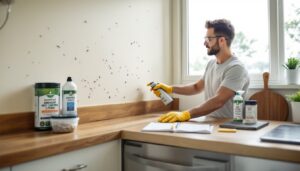
Before calling a professional, several DIY approaches can reduce pest populations, especially for minor infestations. For cockroaches, boric acid powder (or boric acid-based baits) is cheap and effective in kitchens and bathrooms. Mix ½ teaspoon with a small amount of flour and water to form a paste, apply thin lines under sinks, behind appliances, and along baseboards. Keep pets and children away, boric acid is toxic if ingested. Roach baits (like gel stations) work faster and are safer in homes with kids or pets: they contain insect growth regulators that sterilize the colony over generations.
For ants, gel baits are superior to sprays. Ants carry the bait back to the nest, poisoning the queen and workers there. Place baits along trails and near entry points. Never spray the trail itself, you’ll kill foragers but miss the colony. Liquid baits work similarly: dilute them per label instructions and set them in shallow dishes or bottle caps along ant highways.
Termite inspection and treatment are trickier. If you suspect termites (mud tubes on foundation walls, hollow wood, or sawdust-like frass beneath timbers), a professional inspection is worth the $75–150 cost to confirm the species and extent. DIY termite treatment usually fails because colonies nest deep in soil or wood and require pressure-injection applications. But, How to Pest Control: covers scenarios where minor treatments may help, such as removing infested wood or applying borate wood treatments to exposed lumber.
For rodents, snap traps and electronic traps are faster and cleaner than poisons. Bait them with peanut butter or dried fruit, place them perpendicular to walls where you see droppings or gnaw marks, and check daily. Poison baits work but take longer and create carcass discovery problems in walls. Exclusion (sealing holes) prevents reinfestation better than trapping alone. Bed bugs usually require professional heat treatment or chemical applications because they hide in furniture seams, electrical outlets, and walls. DIY sprays often miss colonies, leading to rebound infestations after a few weeks.
Mosquito control includes emptying standing water (the most effective step), applying a thin film of mosquito dunks (Bti bacteria pellets) to rain barrels or ornamental ponds if you can’t drain them, and installing or repairing window and door screens. For yards, pressure-spray treatments of pyrethrin-based insecticides work but require professional equipment and PPE (goggles, gloves, respirator). DIY handheld sprayers are less effective and often waste product. The EPA-registered products like permethrin-based foggers exist, but misuse risks chemical exposure and offsets neighbor properties.
When to Call a Professional Pest Control Service
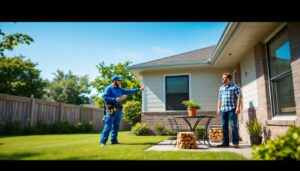
Knowing when to hire a professional saves money and stress. Professional pest control technicians bring expertise in pest identification, access to restricted-use pesticides unavailable to consumers, and equipment (pressure injectors, thermal imaging, inspection cameras) that DIYers lack. They also carry liability insurance, follow EPA label requirements, and know local Baltimore codes and regulations.
Signs You Need Professional Help
Call a pro if you see evidence of active infestation beyond minor ants or roaches: multiple termite mud tubes, rodent droppings in multiple rooms, bed bugs in mattresses or furniture, carpenter ants (especially large winged reproductives in spring), or visible termite swarmers (winged insects emerging from walls in spring). If a DIY solution hasn’t worked after 2–3 weeks, professional intervention is justified. Structural pest damage, wood rot linked to termite or moisture damage, or attic framing weakened by carpenter ants, absolutely requires professional assessment and repair coordination.
Termite treatments and rodent exclusion work best when professionally installed. Termite barrier treatments (soil injection around foundations) and bait stations need proper placement and monitoring by trained technicians. Whole-home exclusion (sealing all entry points plus installing chimney caps, vent screens, and door sweeps) is labor-intensive: professionals complete it faster and guarantee their work. In Baltimore, pest control service costs vary by pest type and treatment scope. According to How Much Does Pest Control Cost in Baltimore, MD?, quarterly service plans run $200–400, while termite inspections and treatments can range from $1,000–2,500 depending on your home’s size and pest pressure.
When hiring, ask for a written inspection report detailing pest type, entry points, and treatment options before they spray. Get multiple quotes, verify they’re licensed by the Maryland Department of Agriculture (license number should be provided), and check references from local homeowners. Many companies offer guarantees: understand what they cover. If you’d rather research DIY strategies first, resources like Bob Vila offer detailed home improvement and pest prevention guides that complement professional advice. For broader pest control overview, Baltimore pest control information on the site covers additional vendor comparisons and seasonal strategies.
Conclusion
Baltimore’s climate and housing stock make pest control an ongoing challenge, not a one-time fix. Start with prevention: seal entry points, eliminate water and food sources, and maintain your yard. Try DIY solutions for minor infestations, baits, traps, and exclusion work for many situations. Know your limits: termites, bed bugs, and widespread rodent infestations usually demand professional help. Combining prevention, timely DIY action, and professional intervention when needed keeps your home pest-free and protects your investment.