Table of Contents
ToggleAugusta’s warm, humid climate makes it a haven for pests year-round. Termites, fire ants, roaches, and rodents thrive in the region, and catching an infestation early saves thousands in damage and headaches. Whether you’re a seasoned DIYer or new to homeownership, understanding your local pest landscape and knowing when to handle problems yourself versus calling a professional is essential. This guide walks you through common Augusta pests, practical prevention tactics you can tackle today, and how to vet pest control companies if the job demands a pro.
Key Takeaways
- Augusta’s subtropical climate creates year-round pest pressure from termites, fire ants, roaches, and rodents, making early detection critical to prevent costly structural damage.
- Seal exterior cracks and gaps, maintain clear gutters, remove standing water, and trim landscaping away from your foundation to prevent pests from entering your home.
- Store food in airtight containers, fix plumbing leaks, declutter storage areas, and eliminate moisture sources to remove the water and food sources pests need to thrive.
- Call a professional Augusta pest control service immediately for termites, bed bugs, widespread roach infestations, or multiple rodent sightings that DIY traps cannot resolve.
- Verify that pest control companies hold a Georgia Structural Pest Control Committee license, carry liability insurance, provide written estimates with specific treatment methods, and offer a clear guarantee policy.
- Integrated Pest Management (IPM) practices that prioritize exclusion and prevention over chemicals, combined with professional monitoring, provide the most effective long-term defense against Augusta’s pest pressure.
Common Pests in Augusta and Why They’re a Problem
Augusta’s subtropical climate creates year-round feeding and breeding seasons for unwanted visitors. Understanding what you’re up against helps you respond faster and smarter.
Termites are the big concern here. Subterranean termites tunnel through soil and into wood foundations, sills, and joists, causing structural damage that spreads silently. By the time you notice mud tubes or soft wood, thousands of dollars in repairs may already be necessary. Drywood termites are less common but still present, nesting directly in wood with no soil contact.
Fire ants dominate outdoor spaces. Their mounds aren’t just unsightly, workers deliver painful stings, and colonies can damage landscape irrigation systems and erode foundations. Pets and children are at real risk.
American cockroaches and German roaches thrive in warm, moist environments. They spread disease, trigger allergies, and reproduce rapidly. A few roaches in the kitchen often signal dozens hiding in walls and cabinets.
Rodents, mice and rats, nest in attics, crawlspaces, and wall voids. They contaminate food, chew through wiring (creating fire hazards), and their droppings spread hantavirus. Once established, populations explode without intervention.
Mosquitoes breed in standing water and are active nearly year-round in Augusta, posing dengue and other disease risks. Even a birdbath or clogged gutter becomes a breeding ground.
DIY Pest Prevention Strategies for Your Home
Most pest problems start with vulnerabilities you can fix yourself. Prevention won’t eliminate an active infestation, but it stops problems before they take root.
Start with the exterior. Walk your home’s perimeter and look for gaps, cracks, and openings where pests enter. Check around utility penetrations (pipes, cable lines, AC conduits), foundation cracks, and gaps where trim meets siding. Seal these with caulk or expandable foam, use the right product for the job. Latex caulk works indoors: silicone-latex hybrid caulk handles temperature swings outdoors. For larger gaps (over ½ inch), use expanding foam, then trim it flush and caulk over it for a neat, sealed finish.
Keep gutters and downspouts clear. Clogged gutters hold standing water, which mosquitoes love. Leaves and debris also create harborage for roaches and other insects. Clean twice yearly, in spring and fall, or more often if trees overhang your roof.
Remove standing water. Check low spots in the yard, under AC units, and in planters. Empty birdbaths and pet water bowls daily. Even a few inches of stagnant water breeds mosquitoes in days.
Trim landscaping back from the house. Brush, dense shrubs, and mulch piled against the foundation give pests easy highways to your home. Keep vegetation at least 3 feet away from siding, and pull back mulch 12 inches from foundation perimeters to reduce termite pathways.
Sealing Entry Points and Eliminating Food Sources
Inside, discipline beats chemicals every time. Pests come for food, water, and shelter.
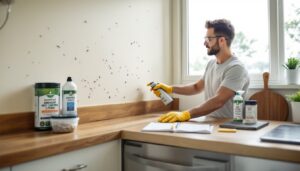
Store food in airtight containers. Transfer flour, sugar, cereal, and pet food from cardboard boxes and paper bags to sealed plastic or glass containers. Roaches and rodents can chew through packaging in days. Don’t leave crumbs or grease on stovetops, counters, or under appliances.
Take out trash daily and use bins with tight-fitting lids. Compost only in sealed containers, not open piles against the house.
Fix plumbing leaks immediately. Moisture attracts pests. Check under sinks, around water heaters, and in basements for drips and pooling water. Dehumidifiers help in crawlspaces and basements.
Declutter. Piles of cardboard, old newspapers, and storage boxes are roach and rodent havens. Keep basements, attics, and crawlspaces tidy. Store seasonal items in sealed plastic bins, not cardboard.
Inspect packaged food before bringing it home. Weevils, moths, and other insects hitchhike in bags of flour, rice, and dry goods. Check for small holes or damage at the store.
These steps cost almost nothing but prevent the majority of residential pest problems. Combined with pest control tools like traps and basic monitoring, you’ll catch problems early.
When to Call a Professional Pest Control Service
Know your limits. Some infestations require licensed professionals with commercial pesticides, equipment, and expertise.
Call a pro if you see termites. Mud tubes on foundation walls, hollow-sounding wood, or swarms of winged termites (usually in spring) demand immediate professional inspection and treatment. DIY termite treatments are ineffective and can spread colonies deeper into the structure. This is structural, insurance rarely covers termite damage, and delays cost thousands.
Active rodent infestations with multiple snap traps or repeated sightings need professional help. Rodents carry disease, and poisoning in walls causes odor problems. Professionals use rodent stations strategically placed and monitored, plus identify and seal entry points systematically.
Widespread roach infestations are hard to DIY. If you’re setting traps regularly and still seeing roaches weeks later, a licensed applicator has access to baits and dusts that penetrate walls and voids effectively.
Bed bugs require professional heat treatments or targeted chemical applications. These are nearly impossible for homeowners to eliminate alone, and DIY failures waste time while infestations spread.
Fire ant mounds in large yards may benefit from professional baiting programs, especially if you have young children or pets. Professional-grade baits are more effective than over-the-counter options.
Also, check local building codes and regulations. Augusta and Richmond County may require permits for certain pest treatments, especially for termite inspections related to home sales. Hiring a licensed professional ensures compliance and documentation.
Use how to pest control guides for minor problems, but when you’re unsure, an inspection call is worth $100–200 to avoid costly damage.
Choosing the Right Pest Control Company in Augusta
If you decide to hire help, vetting matters. A bad contractor wastes money and leaves you vulnerable to repeat infestations.
Ask for referrals. Neighbors, real estate agents, and friends who’ve used local pest control companies can point you toward reliable operators. Check reviews on Google, Yelp, and industry sites listing pest control specialists in Augusta, GA with verified customer feedback.
Verify licensing and insurance. In Georgia, pest control applicators must hold a license from the Georgia Structural Pest Control Committee. Ask to see the company’s license and proof of liability insurance before signing anything. Licensed firms are accountable to the state if they cause damage or misapply chemicals.
Get written estimates from at least three companies. Estimates should specify the pests targeted, treatment methods (chemical name, application technique), frequency of service, and total cost. Low-ball quotes often mean shortcuts or upselling later.
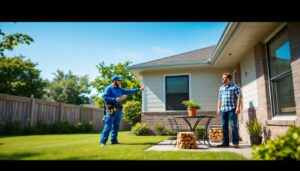
Ask about their inspection process. A thorough company sends someone to walk your home, check interior and exterior, identify entry points, and assess moisture or food sources. They document findings in a written report. If a company quotes over the phone without visiting, find another one.
Understand the guarantee. Most companies offer 30–90 day warranties on treatments. Read the fine print: Does the guarantee cover re-treatment if pests return? Does it apply if you didn’t follow prevention advice (like sealing cracks)? What’s the callback policy if treatment fails?
What to Look for in Credentials and Guarantees
Board certifications show expertise. Look for entomologists (bug specialists) or staff certified by the Pest Control Operators of Texas (PCOT) or similar bodies. These indicate ongoing training.
Integrated Pest Management (IPM) practices matter. A quality company prioritizes exclusion and prevention before chemicals. They use the least toxic option that works and monitor results rather than spraying blindly.
Request references. Call past customers and ask if the company solved their problem, showed up on schedule, and explained what they were doing. References reveal patterns.
Compare service plans. Monthly, quarterly, and annual plans vary in price and coverage. Quarterly inspections are standard for termite prevention: monthly spraying is typical for roaches or ants in difficult cases.
Verify pest-specific knowledge. Augusta’s termite and fire ant pressure is unique. Ask how the company handles subterranean versus drywood termites, or how they treat fire ants without harming pets. Evasive answers are a red flag.
Resources like ImproveNet can help you compare contractors and see typical cost ranges for your area. Planning ahead and choosing wisely saves frustration and money down the line. Pest control strategies combined with professional support create a robust defense against Augusta’s year-round pest pressure.
Conclusion
Augusta’s climate is pest-friendly, but you’re not defenseless. Start with exclusion and sanitation, seal cracks, eliminate water sources, and remove food debris. These cost little and prevent most problems. For active termites, widespread infestations, or structural threats, hire a licensed, insured professional. Vet companies carefully, ask for guarantees, and verify their credentials. With a mix of DIY diligence and professional backup when needed, you’ll keep your home pest-free and protect your investment.