Table of Contents
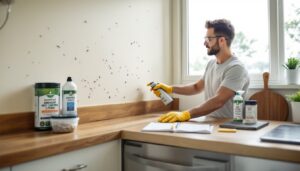
ToggleMost homeowners treat pest control like a one-size-fits-all problem: spray something, hope it works, repeat when pests return. But adaptive pest control flips that script entirely. Instead of blanket approaches, you monitor conditions, identify what’s actually showing up, and adjust your methods based on real data from your home. It’s the difference between swatting flies with a newspaper and setting up systems that get smarter over time. This approach cuts down on chemical use, saves money, and, most importantly, actually keeps pests away longer. Whether you’re dealing with seasonal invaders or year-round problems, adaptive strategies let you stay one step ahead.
Key Takeaways
- Adaptive pest control replaces reactive spraying with data-driven monitoring and targeted treatments, reducing chemical use while improving long-term effectiveness.
- Switching to adaptive strategies saves $3,000–$8,000 over five years compared to quarterly professional contracts, with preventive measures costing far less than treating established infestations.
- Establish a monitoring baseline through sticky traps, visual inspections, and regular home walks to identify pest species and pressure levels before applying any treatment.
- Seal entry points and improve sanitation as the foundation of adaptive pest control—exclusion prevents new pests from entering while reducing food and moisture sources that attract them.
- Adjust your pest control approach based on monitoring data every 1–2 weeks, rotating treatment methods to prevent pests from developing resistance to the same products.
- Call a professional for structural pests like termites and carpenter ants, where DIY monitoring alone cannot prevent costly damage requiring licensed pest management expertise.
What Is Adaptive Pest Control and How Does It Work?
Adaptive pest control is a dynamic, response-based system rather than a static regimen. At its core, it relies on monitoring, identification, and adjustment. You’re not applying the same treatment every month on autopilot: instead, you track pest activity, note what species you’re seeing, and shift tactics as conditions change.
Here’s how it works in practice: You set up monitoring points, traps, visual inspections, or even smart sensors, throughout your home. When you spot activity or capture evidence of pests, you identify exactly what you’re dealing with. A few ants is different from a full infestation: carpenter ants demand different handling than sugar ants. Once you know the pest and pressure level, you choose the right intervention. Maybe that’s sealing entry points, deploying targeted baits, improving sanitation, or calling in a pro for structural damage. After treatment, you keep monitoring to see if the population drops. If it does, you’ve found your solution. If it rebounds, you try a different tactic.
The beauty of this system is that it works with your home’s unique conditions. A damp basement attracts different pests than a dry kitchen. Seasonal changes matter too, rodent pressure peaks in fall, while carpenter ants are more active in warm months. By adapting to these realities, you’re working smarter, not just harder.
The Key Benefits of Switching to Adaptive Pest Management
Switching to adaptive strategies delivers real, measurable wins. First, you’ll use fewer chemicals overall. Instead of spraying quarterly whether you have pests or not, you treat only when and where needed. That means lower exposure for your family and pets, plus reduced environmental impact.
Second, adaptive methods are more effective in the long run. Pests don’t develop resistance to a rotating mix of targeted strategies the way they do to the same pesticide year after year. You’re staying ahead of the curve instead of playing catch-up.
Third, you save time. Once systems are set up, traps placed, entry points sealed, monitoring takes minutes. No more guessing whether you need to reapply or wondering if the problem is gone. You have data.
Essential Pest Control Tools form the backbone of adaptive systems, letting you see what’s happening in your home at a glance. When you know your pest situation, you avoid wasted effort on treatments that don’t match your actual problem.
Cost Efficiency and Long-Term Savings
The financial case for adaptive pest control is straightforward. Quarterly service calls add up fast, often $1,200 to $2,000 per year for professional contracts. With adaptive management, you might do one or two professional inspections yearly ($300–$500 total) and handle monitoring yourself. Over five years, that’s a $3,000–$8,000 difference.
Preventive measures, caulking cracks, fixing screens, cleaning gutters, cost far less than dealing with an established infestation or structural damage. Termites, for instance, can cause $5,000+ in repairs: catching them early through monitoring prevents catastrophe.
When you do treat, targeted application uses less product. A single bait station near an ant trail beats spraying your entire kitchen. You’re buying what you actually need instead of insurance-level quantities.
Practical Adaptive Strategies Every Homeowner Can Implement
You don’t need to be an entomologist to set up adaptive pest control. Start with these concrete steps:
Monitoring and Inspection
- Set up sticky traps in corners, under sinks, and along baseboards. Roaches, ants, and spiders show up on these. Check them weekly, when you find activity clusters, you’ve found entry routes.
- Install pheromone traps specific to your suspected pests (rodent traps with baits, fruit fly traps, etc.). These attract pests and show you what’s present without harming anything yet.
- Walk your home monthly, looking for droppings, damage, or live sightings. Keep notes on location and date.
Exclusion and Sanitation
- Seal cracks and gaps larger than 1/4 inch using caulk (for static gaps) or weatherstripping (for moving parts like doors). Pay special attention to where utilities enter the house.
- Fix screens and door sweeps so they’re tight. Rodents squeeze through spaces the size of a dime: insects find cracks you didn’t know existed.
- Remove food sources. Store pantry items in airtight containers, don’t leave pet food out, and clean up crumbs immediately. Empty trash regularly and rinse containers before tossing them.
- Reduce moisture. Fix leaky pipes, ensure gutters drain away from the foundation, and run exhaust fans in bathrooms and kitchens.
Targeted Treatments
Once you’ve identified the pest and know where it’s active, apply solutions proportional to the problem:
- For ants: Use gel baits (like Terro) placed directly on trails. Worker ants carry the bait back to the colony, eliminating it. This takes 3-7 days but solves the problem at the source.
- For roaches: Deploy gel baits and monitor with sticky traps. Roaches are hardest to eliminate, and chemical resistance is common: rotation between different bait chemistries helps.
- For rodents: Snap traps (quick, clean, reusable) or electronic traps work better than poison, which can leave bodies in walls. Place them along walls where rodents travel, not in open areas.
- For insects in stored goods: Inspect any new purchases before bringing them inside. Remove infested items and use pantry moth traps to monitor. Pest Control Strategies: Effective Methods explore these approaches in more depth.
When to Call a Pro
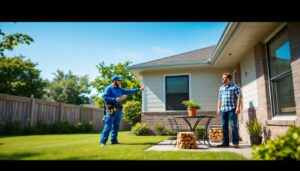
Don’t hesitate to bring in professionals for structural pests (termites, carpenter ants) or large infestations. Pest Control vs. DIY methods breaks down when to hire help. Structural damage needs a licensed pest management professional, and some tasks require permits or certified applicators in your jurisdiction.
Monitoring and Adjusting Your Pest Control Approach
Monitoring is where adaptive pest control proves its worth. Without it, you’re flying blind.
Set a Schedule
Check sticky traps and bait stations weekly for the first month, then bi-weekly once activity drops. Record what you find: count of insects/droppings, location, and date. This data tells you if your strategy is working or if you need to pivot.
Interpret the Data
A few ants on a trap might just be scouts: a dozen suggests a trail you haven’t found yet. Seeing live roaches means your bait isn’t attractive enough or they’ve developed resistance. Rodent droppings in new areas mean you’ve got multiple entry points to seal, not just one.
Adjust Based on Findings
If traps show success (fewer catches over time), keep doing what you’re doing but maintain checks monthly to catch any rebound. If activity persists or grows, change tactics. Move traps to spot entry routes more precisely. Try different bait formulations. Inspect deeper for harborage areas (wall voids, attics) where pests are hiding. Pest Control Tips: How to keep your home bug-free year-round includes seasonal considerations that change monitoring priorities.
Seasonal Adjustments
As seasons shift, so do pest pressures. Fall rodent activity spikes as temperatures drop: increase trap density and seal entry points more aggressively in September through November. Summer brings fruit flies and stored product insects: improve pantry hygiene and monitor food storage. Spring and summer are prime time for carpenter ants and termites: inspect wood surfaces for soft spots or sawdust.
Common Mistakes to Avoid When Adopting Adaptive Pest Control
Switching to adaptive methods is straightforward, but some missteps derail the process.
Skipping the Baseline Inspection
Don’t assume you know where pests are. Do a thorough walk-through before installing any traps or treatments. Look for droppings, gnaw marks, odors, and entry points. Document everything with photos and notes. This baseline prevents you from treating phantom problems or missing real ones.
Treating Without Identifying
Spraying for roaches when you’re actually dealing with silverfish wastes product and money. Identify the exact pest first (sticky traps, visual inspection, or a photo to a pro) before you buy any pesticide. Different pests require different strategies.
Neglecting Exclusion
Treatment without exclusion is like bailing out a boat with a hole in it. If entry points aren’t sealed, new pests walk right back in. Prioritize caulking, screening, and weatherstripping before you worry much about chemicals.
Ignoring Sanitation
A pristine environment doesn’t guarantee no pests, but a filthy one almost guarantees they’ll thrive. Don’t rely on traps and baits alone if food and moisture sources remain. Clean up crumbs, fix leaks, and store food properly as foundational steps.
Giving Up Too Soon
Adaptive strategies take time, often 2-4 weeks to show results because baits need to work through the population. Resist the urge to spray or switch methods after three days. Stick with your plan, keep monitoring, and adjust only if data supports a change.
Using the Same Treatment Repeatedly
Pests can develop resistance to the same pesticide over time. Pest Control Trends 2026: What to expect highlights how integrated approaches with rotation prevent resistance buildup. If a bait worked for three months but pests are back, try a different active ingredient or formula rather than more of the same.
Forgetting Safety
Even “natural” or low-toxicity products demand respect. Wear nitrile gloves when handling baits, keep treatments away from children and pets, and store products in original, labeled containers in a locked cabinet. Ventilate when applying anything, and wash hands before eating or touching your face.
Conclusion
Adaptive pest control shifts you from reactive panic (“I found a bug.”) to proactive management (“Here’s my system and it’s working”). By monitoring what’s actually in your home, targeting treatments to real problems, and adjusting as conditions change, you spend less money, use fewer chemicals, and achieve better long-term results. Start with exclusion and sanitation, the foundation that makes everything else work. Add monitoring, identify your pests, and apply proportional solutions. Over time, you’ll know your home’s pest patterns as well as you know its creaky floor, and you’ll handle them before they become expensive problems.