Table of Contents
TogglePest problems don’t announce themselves with fanfare, they arrive quietly in your walls, under your floorboards, or through a crack you didn’t notice. Whether you’re dealing with rodents, termites, ants, or roaches, the decision to hire professional pest control or tackle it yourself matters. AAA Pest Control is one option many homeowners consider, but understanding what it covers, how it works, and whether it’s right for your situation will save you money and headaches. This guide walks you through the essentials so you can make an informed choice about protecting your home.
Key Takeaways
- AAA Pest Control uses integrated pest management (IPM) combining targeted treatments with habitat modifications and exclusion techniques to prevent reinfestation.
- Professional pest control is most cost-effective for structural pests like termites, widespread infestations, and bed bugs that DIY methods cannot adequately address.
- Initial AAA Pest Control inspections typically cost $50–$150, quarterly maintenance plans range from $300–$600 annually, and termite treatment can cost $1,000–$3,000+ depending on severity.
- DIY solutions like gel bait stations ($15) work for mild ant and roach problems within 5–7 days, but termites require professional inspection and treatment to avoid thousands in structural damage.
- Prevention is the most cost-effective pest control strategy: seal cracks, eliminate moisture and food sources, maintain gutters, and inspect your home every 6 months for early signs of activity.
- Compare AAA Pest Control pricing and warranties against local competitors on platforms like Angi and ImproveNet before committing, and prioritize thorough inspection over the cheapest option.
What AAA Pest Control Offers
Service Coverage and Methods
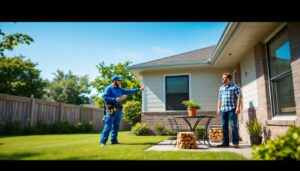
AAA Pest Control typically offers comprehensive residential pest management targeting common household invaders: ants, roaches, termites, bed bugs, spiders, rodents, and wildlife. Their service model usually combines inspection, treatment, and follow-up visits to ensure problems don’t return.
Most AAA locations use integrated pest management (IPM) principles, meaning they combine targeted chemical treatments with habitat modifications and exclusion techniques. Rather than spray everything indiscriminately, they identify entry points, remove food and water sources, and seal cracks. This approach costs more upfront but prevents reinfestation.
Treatment methods vary. Exterior perimeter sprays protect the home’s foundation and entry zones. Interior treatments target visible activity or problem areas. For termites, they may recommend bait stations placed strategically around the foundation or inside walls. Rodent control typically involves snap traps, electronic traps, or one-way doors depending on severity and location.
Services often include quarterly or monthly maintenance visits. During these, technicians inspect for new activity, reapply treatments where needed, and adjust strategies based on seasonal pest pressure. If you’re dealing with a one-time problem like a wasp nest, most companies offer single-service appointments too.
Is AAA Pest Control Right for Your Home?
Professional pest control makes sense when DIY efforts fail, when you’re dealing with structural pests like termites, or when infestations are widespread. If you spot a single ant trail, you might handle it yourself. If every room has roaches or you’ve found termite damage, calling a pro saves time and reduces the risk of partial treatment that breeds resistance.
Consider your household’s needs too. If you have pets, children, or anyone with chemical sensitivities, discuss this with AAA upfront. They should offer pet-safe and child-safe treatment options, though these may cost more or require special scheduling.
Location matters. Urban apartments face different pest pressures than suburban homes or rural properties. AAA’s service area varies by franchise location, so check whether they operate in your region. Many larger metropolitan areas have multiple franchises, but rural zones might not.
Your property’s condition also affects whether professional service is worthwhile. Homes with poor sealing, moisture issues, or clutter provide ideal pest habitats. Without addressing these, pest control becomes a recurring expense. A good technician will point out these problems: whether you fix them is up to you, but doing so extends the life of the treatment.
Cost and Pricing Expectations
Pricing for AAA Pest Control varies by location, pest type, and property size, but expect initial inspections to run $50–$150 or sometimes free. One-time treatments for specific issues (wasps, ants, spiders) typically cost $150–$400. Quarterly maintenance plans for general pest prevention range from $300–$600 per year, divided into monthly or quarterly payments.
Termite treatment and inspections are pricier because they’re more complex. Initial termite inspections might be $100–$200, and treatment can cost $1,000–$3,000+ depending on home size and infestation severity. Many companies offer termite warranties that cover retreat costs if activity returns within a set period (usually 1–5 years).
Research local competitors before committing. Best Pest Control solutions vary widely in price and quality. Platforms like Angi and ImproveNet list local pest control companies with customer reviews and pricing breakdowns, helping you compare. Also ask whether AAA includes follow-up visits in the quoted price or charges extra for them.
Don’t automatically pick the cheapest option. Discounted services sometimes skip thorough inspection or use lower-grade materials. Ask what’s guaranteed and what happens if the problem persists within the warranty period.
DIY Alternatives to Professional Pest Control
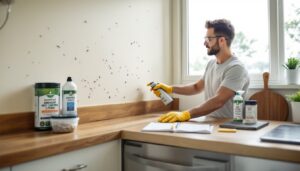
Before calling AAA, it’s worth trying targeted DIY solutions for mild infestations. For ants, locate the nest and apply gel bait stations (like terro liquid baits). Ants carry poison back to the colony, killing the queen and the problem. This takes 5–7 days but costs under $15.
For roaches, gel baits and diatomaceous earth (food-grade, not pool-grade) work in apartments and kitchens. Roaches eat the bait, and DE damages their exoskeletons. Combine these with thorough cleaning, sealing cracks, and removing food debris.
Rodent control at home requires snap traps or electronic traps placed along walls where you’ve seen droppings. Bait them with peanut butter. Wire traps don’t require poison, making them safer around kids and pets. One-way door traps let rodents exit but not return, place these over entry holes after trapping active animals.
For termites, DIY isn’t realistic. Termite colonies live inside walls and can silently damage structural framing for years. Essential Pest Control Tools help with surface pests, but termites demand professional inspection and treatment. Misdiagnosing or ignoring them risks thousands in repairs.
The honest reality: Pest Control Strategies that work depend on the pest, severity, and your home’s condition. If DIY doesn’t solve it in 2–3 weeks, upgrade to professional help before the problem spreads.
Common Pests and Prevention Tips
Ants thrive in kitchens and bathrooms where moisture and food scraps attract them. Seal cracks, clean spills immediately, store food in airtight containers, and take trash out regularly. Caulk baseboards and around pipes to block entry.
Roaches hide in warm, dark spaces behind appliances and under sinks. Keep kitchens dry, fix leaky pipes and wipe down counters. Don’t leave pet food out overnight. Declutter cabinets and storage areas.
Termites silently damage wood from inside. They prefer damp wood, so maintain gutters, grade soil away from foundations, and reduce soil-to-wood contact (at least 6 inches clearance). Never stack firewood against your house.
Bed bugs hitchhike in luggage and used furniture. Inspect hotel rooms before unpacking. Wash new (or secondhand) bedding and clothes on high heat. Use mattress encasements to prevent them from hiding inside mattresses.
Rodents squeeze through gaps as small as a dime. Seal holes around pipes, cables, and vents with steel mesh or caulk. Remove clutter where they nest. Store food in sealed containers. Trim tree branches back from rooflines.
Regular inspection catches problems early. Every 6 months, check basements for droppings, inspect wood for termite damage, and scan corners for spider webs or insect activity. Pest Control Trends in 2026 emphasize preventive maintenance over reactive treatment. Sealing, drying, and cleaning cost little but prevent expensive infestations. How to Pest Control your home effectively starts with eliminating what pests want: shelter, food, and water.
Conclusion
AAA Pest Control offers legitimate professional service for homeowners facing pest problems they can’t solve alone. Weigh their coverage, pricing, and warranty against local competitors. For mild infestations, try DIY solutions first. For termites, bed bugs, or widespread activity, professional help is worth the cost. Either way, prevention, sealing cracks, removing attractants, and staying vigilant, is the real key to a pest-free home.