Table of Contents
TogglePests don’t clock out at 5 p.m., they’re active around the clock, from mice scurrying in attics after dark to cockroaches emerging in kitchens at midnight. For homeowners dealing with persistent infestations or living in high-risk areas, round-the-clock pest management isn’t a luxury: it’s a necessity. Whether you’re tackling early-stage prevention or managing an ongoing problem, understanding 24/7 pest control options helps you protect your home and family year-round. This guide breaks down what continuous pest protection looks like, when you can handle it yourself, and when professional help makes sense.
Key Takeaways
- 24/7 pest control combines continuous monitoring, prevention, and targeted treatments to stop infestations before they spiral, reducing the need for heavy chemical applications later.
- Seal entry points with caulk, remove attractants like food debris and moisture, and monitor with traps weekly—these DIY habits address 80% of residential pest problems without professional help.
- Daily discipline matters: wipe counters after eating, take out trash nightly, store food in sealed containers, and keep gutters clear to prevent pests from establishing outdoor colonies they can retreat to.
- Professional 24/7 pest control services become necessary when DIY efforts fail, structural damage is suspected, or infestations involve bed bugs, termites, or widespread activity that exceeds your ability to locate and seal entry points.
- Clear warning signs like droppings in food cabinets, visible pest activity day and night, or damage to wiring indicate an active colony that requires round-the-clock management instead of seasonal treatments.
What Is 24/7 Pest Control and Why It Matters
24/7 pest control refers to monitoring, prevention, and active treatment strategies that operate continuously, rather than one-time seasonal sprays or occasional traps. It combines proactive measures, sealing entry points, removing food sources, maintaining sanitation, with reactive tools like baits, traps, and monitoring systems that work around the clock.
Why does this matter? Most pest issues escalate when they go undetected. A single cockroach spotted in your kitchen usually signals a colony hiding elsewhere. Rodent droppings in a basement suggest an active nest. By implementing continuous prevention and monitoring, you catch problems early and prevent infestations from spiraling. Continuous protection also reduces the need for heavy chemical applications later, a win for your budget and your family’s health.
Effective pest control ideas matter more when you understand the difference between seasonal flare-ups and year-round exposure. Warm months bring mosquitoes and flies: cold months drive rodents indoors. A genuine 24/7 approach adapts to these seasonal shifts while maintaining a baseline of prevention that never stops.
Signs You Need Round-the-Clock Pest Management
Not every homeowner needs professional 24/7 monitoring, but certain signs suggest you should ramp up your prevention game, or call in experts.
Clear indicators include: droppings in food cabinets or behind appliances (rodents or insects are established), visible pest activity during both day and night, previous seasonal infestations that keep returning, proximity to wooded areas or commercial buildings that attract pests, and recent discovery of entry points you can’t seal completely.
You should also escalate to continuous management if you’ve spotted nests, chewed wires, or structural damage. These aren’t cosmetic issues, they’re signs of an active, thriving colony. Similarly, if a single treatment hasn’t resolved the problem within two weeks, pests are either re-entering or your initial attempt missed part of the infestation.
Allergy sufferers and families with young children may prioritize round-the-clock protection simply for peace of mind. Pest control for beginners often starts with prevention, but continuous monitoring replaces guesswork with actual data about what you’re dealing with.
DIY Strategies for Continuous Pest Prevention
You can carry out effective 24/7 prevention without professional help if you’re disciplined and your infestation is minor or caught early.
Start with exclusion: Seal cracks around pipes, foundation gaps, and weatherstripping gaps with caulk or spray foam. Check door sweeps and ensure screens are intact. Rodents can squeeze through gaps as small as a dime: insects find even tinier cracks. This one-time effort eliminates the pathway that lets pests enter.
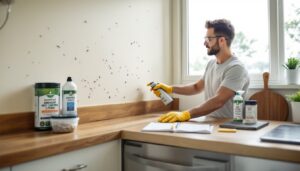
Remove attractants: Store dry goods in airtight containers, sweep crumbs immediately, take out garbage frequently, and fix any water leaks (cockroaches and ants are drawn to moisture). Don’t leave pet food out overnight. These habits sound obvious but are responsible for 80% of residential pest problems.
Monitor continuously: Place sticky traps in kitchen cabinets, under sinks, and basement corners. Rodent snap traps or live traps placed along walls (rodents follow walls, not open floors) catch intruders. Bait stations and monitor strips for insects let you spot early activity without chemical sprays. Check these weekly and replace as needed.
Use targeted treatments: Once you know what you’re dealing with, apply appropriate solutions. Roach baits work better than spray for cockroaches because they target the nest. Ant baits break the colony’s supply line. Rodent bait stations protect pets and children better than loose poison. The complete pest control guide explains options for specific pests.
Daily Habits to Keep Pests at Bay
Minute-to-minute discipline prevents infestations: wipe counters and tables immediately after eating, sweep floors daily (especially kitchens), take out trash nightly, store food in sealed containers, clean under and behind appliances monthly. Don’t leave standing water in plant saucers or drains. Run drains regularly with boiling water or a drain cleaner.
Keep outdoor gutters clear and downspouts directed away from the foundation. Trim vegetation away from your home’s exterior (pests hide in dense plants and climb into soffit vents). Stack firewood 20 feet away from the house, not against walls. These exterior habits prevent pests from establishing outdoor colonies they can retreat to.
Check basement and attic quarterly. Moisture, clutter, and dark corners are pest magnets. Declutter storage areas so pests have nowhere to hide and you can spot signs of activity immediately. Humidity above 60% in basements attracts insects: a dehumidifier or improved ventilation fixes this.
When to Call Professional 24/7 Pest Control Services
Professional 24/7 pest control makes sense when DIY efforts fail, when the infestation is severe, or when structural damage is suspected.
Red flags for professional help: active nest sites, widespread droppings, foul odors suggesting dead animals in walls, visible bites on family members, inability to locate or seal entry points yourself, and infestations involving bed bugs, termites, or other pests requiring licensed treatment. Some jurisdictions also require licensed professionals for rodent removal or pest control in rental properties.
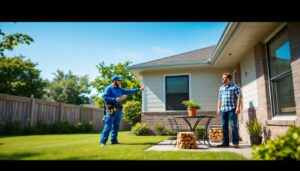
Professionals bring expertise, better tools, access to restricted chemicals (for interior use), and accountability. They conduct thorough inspections to find hidden colonies, use monitoring systems you can’t access, and often offer warranties. Services like 24/7 Pest Pros provide around-the-clock response and recurring treatments. If budget matters, platforms like HomeAdvisor help you compare local pest control providers and get cost estimates before committing.
Costs vary widely: basic monthly monitoring runs $30–$60: recurring treatments (quarterly sprays plus monitoring) cost $100–$300 monthly depending on home size and pest type. Emergency services and termite or bed bug treatments cost more. Pest control strategies for homes with severe infestations often require professional intervention combined with your own prevention work.
Many professional services offer guarantees. If pests return between treatments, they re-treat at no cost. This accountability and the professional’s liability insurance matter when you’re fighting a serious infestation. Always verify the company is licensed and insured before signing a contract.
Conclusion
24/7 pest control combines vigilant prevention with continuous monitoring and targeted treatment. Whether you’re managing it yourself through daily habits and strategic traps or partnering with licensed professionals, the key is consistency, pests exploit gaps in your defenses. Start with exclusion and sanitation, escalate to monitoring traps, and call professionals if activity persists or severity warrants it. Your home stays pest-free when protection runs around the clock, not just when you remember to set a trap.