Table of Contents
TogglePests aren’t just a nuisance, they’re a genuine threat to your home’s structure, health, and peace of mind. Ashland residents face year-round challenges from rodents, insects, and other unwanted invaders that can chew through wiring, contaminate food sources, and trigger allergies. Whether you’re dealing with ants marching across your kitchen counter or suspicious droppings in the attic, knowing how to identify and address pest problems early can save you thousands in damage and professional calls. This guide walks you through the most common pests in Ashland homes, practical DIY solutions, and honest guidance on when to bring in the pros.
Key Takeaways
- Early detection of rodents, cockroaches, carpenter ants, and other common pests in Ashland homes can prevent thousands in structural damage and professional service costs.
- DIY pest control methods like snap traps, gel baits, and diatomaceous earth work effectively for light infestations, but heavy invasions and bed bugs require professional Ashland pest control services.
- Sealing foundation cracks, maintaining humidity below 50%, storing food in airtight containers, and trimming tree branches 6+ feet from rooflines prevent most pest infestations before they start.
- Professional pest control inspection costs $100–$300 and is essential when dealing with termite damage, large cockroach colonies, or bed bug infestations that resist DIY treatments.
- Rodents peak in fall and winter while ants become aggressive in spring and early summer—understanding seasonal pest activity helps Ashland residents stay proactive year-round.
Common Pests Affecting Ashland Homes
Ashland’s climate and geography create ideal conditions for several persistent pests. Rodents, particularly house mice and Norway rats, invade homes seeking warmth and food, especially as temperatures drop. They’re nocturnal, fast, and can squeeze through openings as small as a dime. Cockroaches thrive in damp basements and kitchens, moving between walls and leaving behind an oily odor and feces that trigger allergies. German cockroaches are especially common in Ashland.
Ants, particularly carpenter ants and pavement ants, establish colonies near food sources. Carpenter ants hollow out wood over time, weakening structural members like joists and headers. Termites are less common in some Ashland areas but devastate homes when present, consuming wood from the inside out. Bed bugs hide in bedding, furniture, and wall voids, emerging at night to feed. Wasps, yellow jackets, and other stinging insects nest in eaves, soffits, and ground cavities, posing risks to anyone with allergies.
Understanding which pests are active in your area and season helps you stay ahead. Rodents and cockroaches peak in fall and winter: ants and termites become aggressive in spring and early summer. Bed bugs show no seasonal preference but spread faster in warmer months.
Identifying Pest Infestations Early
Early detection prevents infestations from exploding into costly problems. For rodents, look for droppings (dark, rice-shaped pellets), gnaw marks on wires or drywall, and musty odors in cabinets, attics, or crawl spaces. Listen for scratching or scurrying in walls at night. Inspect window sills, door frames, and utility entry points for entry holes.
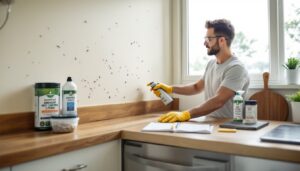
Cockroaches leave behind dark specks of feces in kitchen corners, under sinks, and along baseboards. You might spot shed exoskeletons or catch a glimpse of them at night when you flip on a light. Carpenter ants create sawdust-like frass (insect debris) near damaged wood: the damage appears clean-sided and galleries run with the grain. Regular visual inspections of wooden structural elements, especially in basements, crawl spaces, and around foundations, catch problems early.
Bed bugs hide in mattress seams, box springs, and headboards. Look for small dark stains on sheets (their droppings) or tiny bugs themselves. Termite damage shows as blistered paint, mud tubes on foundations, or hollow wood that sounds papery when tapped. Pest control trends 2026 emphasize early detection through smart monitoring devices, but your eyes and nose remain your first line of defense.
Document what you find: take photos, note locations, and track sightings over time. This information helps you (or a professional) understand the scope and severity.
DIY Pest Control Methods for Homeowners
Natural and Chemical Treatment Options
DIY pest control works best for light infestations and preventative maintenance. For rodents, snap traps and electronic traps remain effective when placed along walls where rodents travel. Bait stations with rodenticide (warfarin or bromadiolone) work, but they pose risks to pets and children, use tamper-resistant stations only. Sticky traps catch mice but cause suffering: humane traps that kill instantly are preferable.
For cockroaches, gel baits (containing fipronil or imidacloprid) are highly effective and safer than broadcast sprays. Apply small dabs along baseboards, under sinks, and in cabinet corners. Diatomaceous earth (food-grade, 100% pure) kills insects by dehydrating their exoskeletons: dust lightly in cracks and crevices, avoiding areas where pets drink water. Allow 48–72 hours for effectiveness.
Carpenter ant control requires finding and treating the nest. Follow foraging trails with a flashlight at dusk. Once located, inject insecticidal dust (permethrin or bifenthrin) into galleries using a hand duster or caulking gun applicator. Always wear a respirator when applying dusts: they’re irritating to lungs. Liquid insecticides applied as perimeter barriers or spot treatments also work, though they require more surface area coverage.
For general pest deterrence, cinnamon, cloves, and peppermint oil repel some insects, but their effectiveness is limited and temporary. Neem oil and insecticidal soap target soft-bodied insects like mites and some aphids but won’t eliminate established cockroach or rodent colonies. How to pest control your home starts with accepting that DIY solutions work best on fresh, minor problems, not infestations.
Wear gloves, eye protection, and a respirator when handling any pesticide, even natural ones. Read labels thoroughly: misuse creates health risks and reduces effectiveness. Store all products safely away from children and pets.
Preventative Measures to Protect Your Home
Prevention is far cheaper than treatment. Seal all cracks, gaps, and holes in the foundation, walls, and around pipes with caulk or expanding foam. Check window and door frames: gaps wider than 1/8 inch invite rodents. Install door sweeps and weatherstripping to eliminate ground-level openings.
Reduce food sources by storing dry goods in airtight containers, cleaning up crumbs immediately, and not leaving pet food out overnight. Take garbage out regularly and use sealed bins. Fix leaky pipes and improve drainage: standing water attracts cockroaches and other pests. Declutter attics, basements, and storage areas, piles of boxes and old furniture provide harborage.
Trim tree branches and shrubs at least 6 feet away from rooflines and siding. Branches touching the roof become highways for rodents, squirrels, and insects. Remove wood piles and leaf litter from around foundations. Install chimney caps and vent screens to block entry points.
Inside, maintain relative humidity below 50% using dehumidifiers in basements and bathrooms. Mold and moisture attract pests: good ventilation and drainage work double duty. Store firewood outside, 20+ feet from the house. The complete pest control guide for homeowners emphasizes that preventative work, sealing, cleaning, and maintaining, stops infestations before they start. Regular inspections catch problems early, saving time and money.
When to Call Professional Pest Control Services
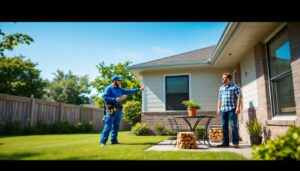
Certain situations demand professional attention. Heavy infestations, multiple rodents, extensive termite damage, or large cockroach colonies, overwhelm DIY methods. Pest control strategies from professionals include targeted sprays, fogging, and heat treatments that homeowners can’t safely deploy. Termite damage, especially structural compromise, requires a licensed inspector and treatment plan: many jurisdictions mandate professional inspection for real estate transactions.
If you’re unsure about what you’re dealing with, a professional inspection costs $100–$300 and gives you clarity. Services like Angi connect homeowners with local contractors who can assess and quote treatment. Bob Vila’s guide to finding contractors recommends verifying licensing (check your state’s pest control board), reading reviews, and getting multiple quotes. Most professionals in Ashland are bonded and insured, protecting you if treatment causes damage.
Bed bugs, in particular, are stubborn and often require professional heat treatment or multiple pesticide applications. DIY attempts often fail because bed bugs hide in inaccessible wall voids and develop resistance. A single missed nest perpetuates the infestation. Professional services also handle wasp nests, especially when located near living areas where stings pose real danger. ImproveNet offers cost guides and contractor matching for larger pest control projects. Expect to pay $300–$1,500+ for comprehensive treatments, depending on home size, pest type, and severity. Prevention and early DIY action help avoid these costs.
Conclusion
Ashland pest control starts with awareness, quick action, and honest judgment about what you can handle alone versus when to call in the pros. Identifying pests early, sealing entry points, removing food and water sources, and maintaining your home’s envelope prevent most infestations. Simple DIY traps and baits handle light problems. Heavy infestations, structural damage, and persistent pests like bed bugs and termites justify professional help. Stay vigilant, keep your home dry and clutter-free, and don’t hesitate to reach out to licensed professionals when needed.