Table of Contents
ToggleUnwanted pests don’t wait for the perfect time to invade your home. Whether it’s ants marching through your kitchen, roaches hiding behind cabinets, or rodents scratching in your walls, a pest problem can escalate fast without the right approach. Cura pest control offers homeowners a practical, science-backed solution that combines targeted treatments with preventive strategies. This guide walks you through how Cura works, what makes it effective, and how to apply it to protect your home in 2026. Whether you’re dealing with an active infestation or trying to prevent one, understanding your options, and knowing when to bring in backup, is the first step to reclaiming your space.
Key Takeaways
- Cura pest control uses integrated pest management (IPM) principles that combine targeted treatments, exclusion tactics, and ongoing monitoring to eliminate infestations at their source rather than relying on broad-spectrum chemical sprays.
- The three-phase Cura system—identification, treatment, and prevention—addresses pests by pinpointing their entry points, applying strategic control methods, and removing environmental conditions that attract them.
- Cura pest control is cost-effective for homeowners, with initial professional services ranging $200–$600 and follow-ups at $100–$300, plus DIY options available for minor infestations when treatments are applied according to label instructions.
- Monthly or quarterly monitoring cycles ensure early detection and prevent pest populations from re-establishing, saving homeowners from costly damage and larger infestations.
- Call a licensed professional for termites, bed bugs, wall/attic infestations, or if DIY efforts fail after 4–6 weeks, as these situations require specialized expertise and equipment to prevent structural damage.
What Is Cura Pest Control and How Does It Work
Cura pest control is a comprehensive pest management system designed to eliminate and prevent household infestations using integrated pest management (IPM) principles. Rather than relying solely on chemical sprays, it combines targeted treatments, exclusion tactics, and ongoing monitoring to address pests at their source.
The core mechanism works in three phases: identification, treatment, and prevention. First, the system identifies which pests are present and where they’re entering or nesting. Second, it applies appropriate control methods, whether that’s baits, traps, natural deterrents, or targeted chemical applications in strategic locations. Finally, it establishes barriers and removes conditions that attract pests (food sources, moisture, clutter, gaps in walls or foundation).
Unlike broad-spectrum spraying, which kills indiscriminately and can harm beneficial insects and pets, Cura targets specific pest vulnerabilities. This approach is grounded in the principle that controlling the environment is often more effective than just killing individual insects. A roach infestation won’t stay gone if your kitchen has grease buildup and accessible food, but fix those conditions and use targeted baits, and you’ve solved the real problem.
Most Cura systems operate on a cycle of application and follow-up inspections (typically monthly or quarterly, depending on severity). This monitoring ensures that new populations don’t establish themselves and that treatments remain effective over time.
Key Features and Benefits of Cura Pest Control
Cura’s appeal lies in its practical design for homeowners who want results without constant guesswork. Here’s what sets it apart:
Targeted Application: Rather than treating every square foot, Cura focuses on high-risk zones, around entry points, under sinks, along baseboards, and in wall voids where pests hide. This reduces overall chemical use and cost.
Minimal Odor and Disruption: Many treatments are applied in gel bait form or as dusts placed inside wall cavities, so you’re not living in a pesticide cloud. Your home remains livable during treatment.
Customizable to Your Pest Problem: Different pests require different strategies. Termites need different tactics than ants: roaches differ from bed bugs. Cura adapts the approach, so you’re not paying for broad-spectrum overkill.
Monitoring Built In: Regular check-ins mean early detection if pests return, before they multiply into a major problem. This proactive stance prevents the “wait until it’s really bad” scenario that costs far more to fix.
Lower Environmental Impact: By using IPM, Cura minimizes reliance on broad-spectrum chemicals. Targeted baits and mechanical traps mean less chemical residue in your home and yard, important if you have kids, pets, or plants you care about.
For DIYers, Cura systems often include detailed guides and labeled products designed for homeowner application, making the barrier to entry lower than hiring a full service. Pest control trends 2026 show a clear shift toward these smarter, less-chemical approaches.
How to Choose the Right Cura Pest Control Solution for Your Home
Selecting the right pest control approach starts with honest assessment. What pests are you dealing with? What’s your comfort level with DIY versus professional help? Let’s break it down.
DIY Application Tips and Best Practices
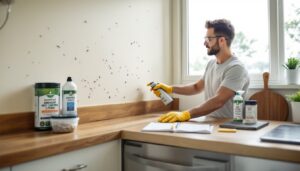
If you’re tackling a minor infestation or doing preventive maintenance, Cura products designed for homeowners are straightforward. Start with a thorough inspection: walk your home’s perimeter and interior, noting entry points, moisture sources, and pest evidence (droppings, trails, damage). Take photos and notes.
When applying treatments, read the label completely before opening anything. Cura products are formulated to be safe for homeowner use when applied as directed, but that means following instructions precisely, don’t assume “more is better.” Wear nitrile gloves and avoid skin contact: some formulations recommend a dust mask or safety glasses, especially in attics or crawl spaces.
For baits, place them along observed pest pathways, not in the middle of a room. Roaches, ants, and rodents follow established routes. Gel baits should be applied in small dots (about the size of a grain of rice) in corners, under appliances, and along baseboards. Avoid placing them near other food or attractants that might compete for pest attention.
Allow time for treatments to work before assessing results. Most baits take 3–7 days to show noticeable effects as the pest population feeds and the poison spreads within the colony. Resist the urge to clean up bait stations or disturb treated areas during this window.
Keep records of what you’ve treated, when, and results observed. This log helps you spot patterns and know when to escalate to professional help.
When to Call a Professional
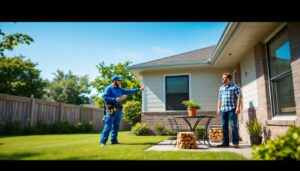
There are clear situations where a licensed pest control technician is worth the investment:
Active infestations in walls or attics: If you’re hearing noises in walls or have found rodent nests in your insulation, professional equipment and expertise (wall voids require special techniques) save time and reduce the risk of spreading the problem. This isn’t cosmetic, structural damage from rodents or termites is real and expensive.
Termites: Termite treatment often requires structural inspection, wall access, and specialized chemicals that require licensing in most states. This is not a DIY project: one missed colony returns, and damage compounds fast.
Bed bugs: These pests are notoriously hard to eliminate without professional-grade equipment and knowledge of harborage points. Essential pest control tools help, but full elimination often needs a pro.
Persistent or recurring problems: If your DIY efforts haven’t worked after 4–6 weeks, it’s time to call. A professional can identify what you’re missing (entry points, alternative food sources, microhabitats you haven’t treated).
Allergies, respiratory issues, or young children: Even homeowner-safe products carry some risk. If anyone in your home has sensitivities, a pro applying treatments while occupants are away reduces exposure.
Cost varies widely by region and pest type. Resources like Angi and HomeAdvisor offer cost estimates, typical treatments range $200–$600 for initial service, with follow-ups running $100–$300. Get quotes from at least two licensed providers and ask about guarantees.
Common Pests Cura Pest Control Targets
Cura’s flexibility means it’s effective against the pests that actually invade homes. Here are the main culprits:
Ants: These are relentless and social, a few scouts become a colony fast. Cura targets both trailing ants (pavement ants, carpenter ants) and nesting ants with baits and barriers. Carpenter ants are especially important to address, as they tunnel through wood: ignoring them leads to structural damage.
Cockroaches: German and American roaches thrive in kitchens and bathrooms where moisture and food meet. Gel baits are particularly effective because roaches consume the poison and carry it back to hiding spots, killing others in the colony.
Rodents (mice and rats): Traps and baits address active populations, but the prevention phase, sealing gaps, removing food sources, trapping entry points, is critical. Rodents cause fire hazard by gnawing wiring and contaminate surfaces with droppings that carry disease.
Silverfish and Firebrats: These feed on starches and paper, damaging books and stored goods. They prefer damp areas, so humidity control paired with traps and targeted sprays work well.
Spiders: While most spiders are harmless and eat other pests, infestations or venomous species (like brown recluse) need addressing. Cura removes webs, reduces prey availability, and applies treatments to corners and high-risk areas.
Termites and Wood-Boring Insects: These demand professional assessment because damage is hidden and costly. Detection and treatment require expertise.
Each pest type has preferred hiding spots and food sources. Pest control strategies tailored to your specific invaders work far better than general approaches.
Safety Considerations and Precautions
Pest control chemicals are designed to kill living things, so respect matters. Even homeowner-grade Cura products demand careful handling.
Personal Protective Equipment (PPE): Always wear nitrile gloves when handling baits or dusts. If you’re in an attic or crawl space, add a dust mask (N95 or P100) and safety glasses. Don’t eat, drink, or smoke while handling treatments. Wash your hands and any exposed skin thoroughly afterward.
Storage and Labeling: Keep all pest control products in original, labeled containers in a cool, dry place away from children and pets. Never transfer to unlabeled bottles, someone could mistake it for something harmless. Store below 80°F: extreme heat degrades efficacy and can increase volatility.
Pet and Child Safety: Place baits where pets and small children can’t reach them, inside wall cavities, under appliances they can’t access, or behind locked cabinets. If you have curious toddlers or pets that chew everything, professional application (with occupants away) is safer.
Ventilation: When applying sprays or dusts, ensure good air circulation. Open windows, turn on exhaust fans, and leave the treated area for at least 2–4 hours if the product directs it. Some formulations are safer indoors than others: follow label guidance precisely.
Spill and Disposal: If you spill a product, contain it immediately using paper towels, place them in a sealed bag, and dispose per local hazardous waste guidelines. Check your city or county website for disposal services: never pour pest control down the drain.
Synergistic Risks: Don’t mix Cura products or apply them over recently-applied cleaners, disinfectants, or other pesticides unless the label explicitly says it’s safe. Unintended chemical reactions can create toxic compounds.
If someone (child or pet) ingests a pest control product, call Poison Control (1-800-222-1222 in the US) or your local emergency number immediately. Have the product label in front of you so you can describe exactly what they were exposed to.
When in doubt, especially with termites, bed bugs, or large infestations, hire licensed professionals. They carry liability insurance, use industry-grade materials, and understand local codes. Good Housekeeping and similar resources often review pest control products and services, offering real-world testing and safety insights.